How Much to Paint a Garage Explained With Cost Factors and Tips
Introduction
Painting a garage sounds simple at first. Most people think it is just a few cans of paint and a free weekend. Then they get real quotes or start buying materials and the cost feels higher than expected.
The truth is that garage painting cost is not one fixed number. It changes based on size, surface condition, paint type, and whether you hire someone or do it yourself. Many people only see the paint price and forget about prep work, tools, and labor.
In this guide, you will see what affects pricing, what you can expect in 2026, and how to avoid paying more than you should. You will also learn when DIY makes sense and when hiring a painter is the safer choice.
You will get a clear breakdown of how much to paint a garage, what drives the price up, and how to make smarter decisions before you spend money.
How Much to Paint a Garage in 2026
The cost to paint a garage in 2026 depends on size and condition. A small single garage costs much less than a double or triple garage. Interior painting is usually cheaper than exterior work because it needs less preparation and safety setup.
Most homeowners pay a wide range because no two garages are the same. A clean, smooth wall takes less time. A damaged or damp wall needs repairs before painting starts, and that adds cost.
If you do it yourself, you mainly pay for paint and tools. If you hire a professional, labor becomes the biggest cost. In many cases, labor can take more than half of the total bill.
For a basic idea, DIY projects stay low in cost but require time and effort. Professional work costs more but gives a cleaner and faster result. Many people choose a mix of both. They prep the space themselves and hire painters for finishing.
The keyword here is “range.” There is no single price that fits everyone. Your garage condition decides the final number more than anything else.
What Changes the Price the Most
Garage painting cost changes because of a few key factors. The biggest one is size. A larger garage means more walls, more paint, and more time. That alone increases cost fast.
Wall condition is another major factor. Smooth drywall is easy to paint. Brick or concrete walls take more paint and more preparation. If there are cracks, stains, or mold, the painter must fix those first.
Paint type also matters. Basic paint is cheaper, but it may not last long in a garage environment. Many garages need moisture resistant or heavy duty paint, which costs more but lasts longer.
Labor cost also changes depending on where you live. In some areas, painters charge higher rates because of demand or living costs. That is why two people with similar garages can get very different quotes.
Prep work is often the hidden cost. Cleaning, sanding, filling holes, and priming can take more time than the painting itself. This is where many budgets go wrong because people forget to include it.
Interior vs Exterior Garage Painting Cost
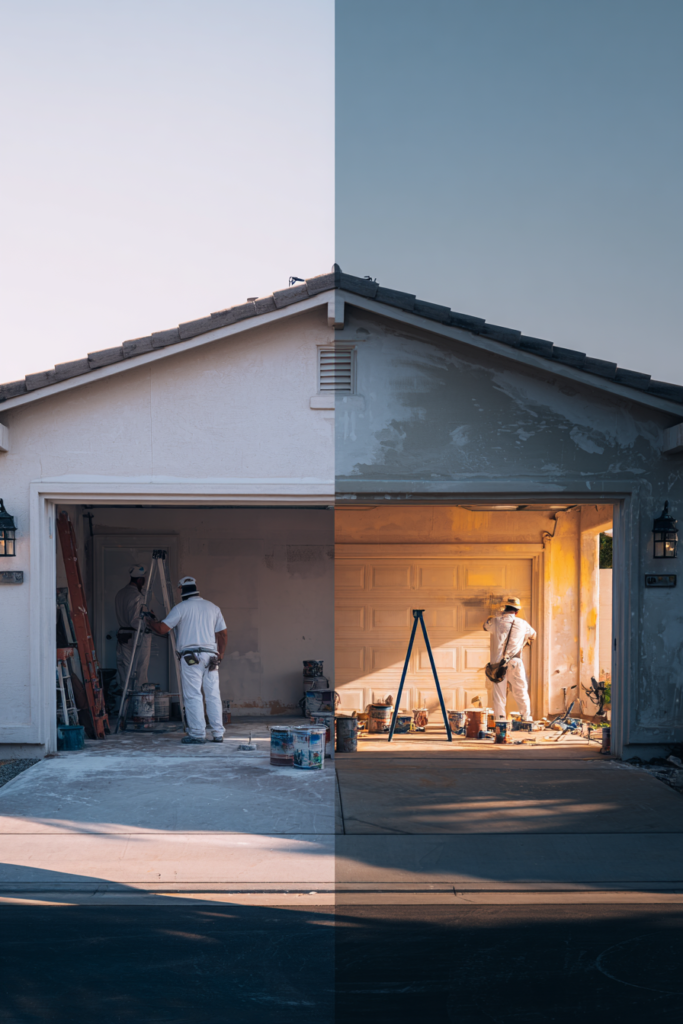
Interior garage painting usually costs less. The space is controlled and easier to access. Painters do not need special equipment for weather or height. Most of the work is done on walls and sometimes the ceiling.
Exterior garage painting is more complex. It depends on weather conditions and surface exposure. Paint must protect against rain, sun, and temperature changes. That means stronger materials and sometimes extra coats.
Exterior work can also require ladders or scaffolding. That adds time and safety requirements, which increases labor cost.
Interior garages still need attention to moisture and stains. Many garages collect dust, oil marks, or damp patches. These need to be treated before painting starts, or the final finish will not last.
The main difference is not just paint. It is the level of protection needed. Exterior work protects the building. Interior work improves appearance and cleanliness.
DIY vs Hiring a Painter
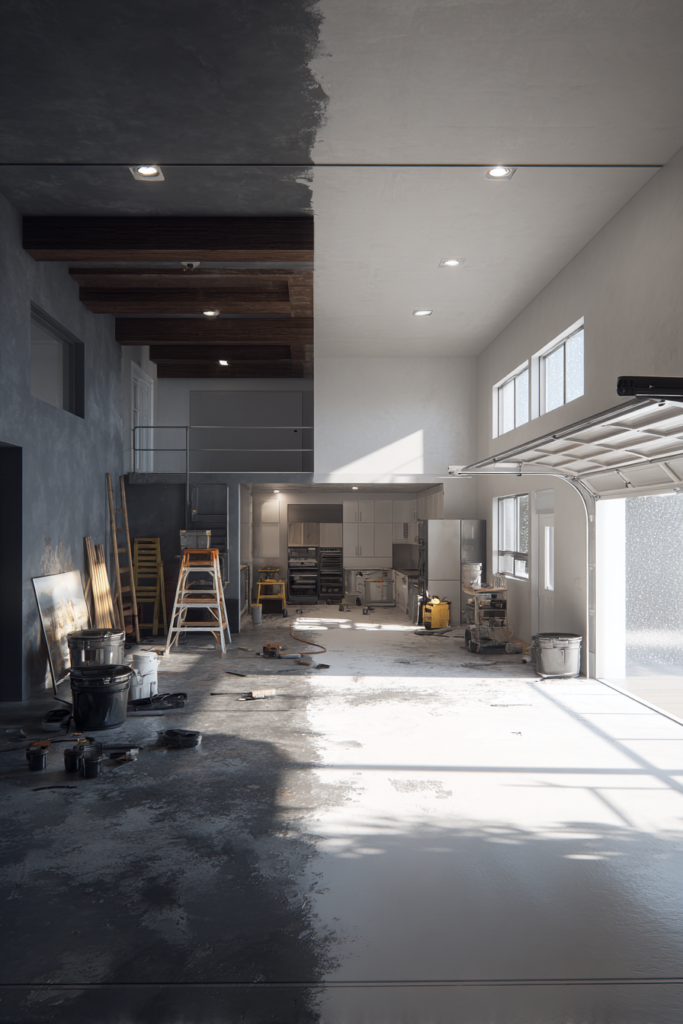
Doing the job yourself looks cheaper at first. You only pay for paint, brushes, rollers, and basic tools. That makes DIY attractive for small garages or simple refresh work.
But DIY also takes time. A job that takes a professional one day can take you several days. You also need to learn surface prep, paint mixing, and application techniques.
Mistakes can increase cost. If paint is applied poorly, you may need extra coats or full repainting. That removes the savings you were trying to get.
Hiring a painter costs more upfront but reduces risk. Professionals already know how to prepare surfaces and avoid common errors. They also finish faster and often use paint more efficiently.
A smart approach is mixing both. You can clean and prepare the garage yourself. Then hire a painter for final coats. This reduces labor cost while still giving a better finish than full DIY.
Simple Ways to Save Money
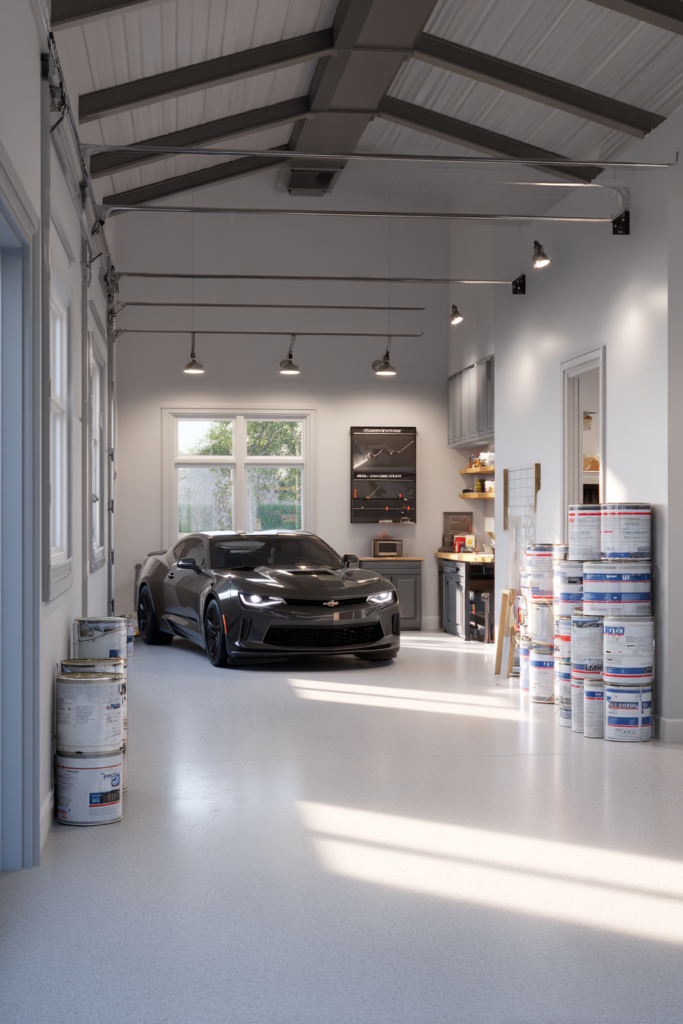
You can reduce garage painting cost without lowering quality. One of the easiest ways is preparing the space yourself. Cleaning walls, removing old items, and fixing small cracks saves labor time.
Another way is choosing the right paint level. You do not always need the most expensive paint. A mid range product often gives good durability for garage use.
Getting multiple quotes also helps. Prices vary between painters. Comparing at least three gives you a better idea of fair cost.
Buying paint during discounts can also reduce total spend. Many stores offer seasonal deals that lower material cost.
The key is planning. Most extra cost comes from rushed decisions or missing steps in preparation.
Hidden Costs You Should Expect
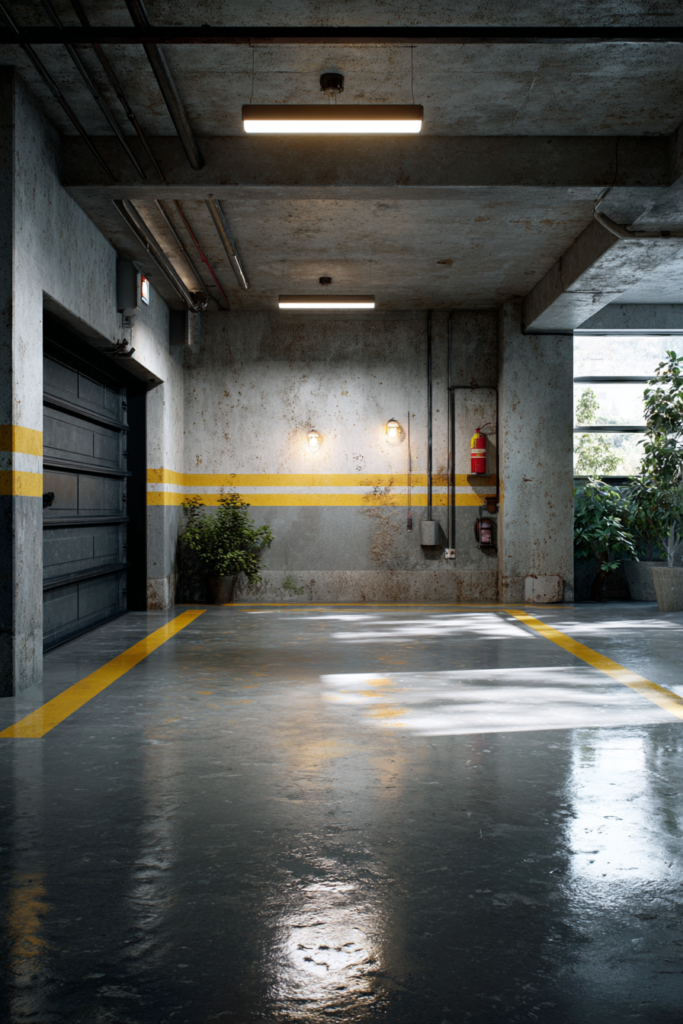
Many people only budget for paint. That is where they go wrong.
Walls often need repair before painting starts. Small cracks or holes must be filled. This takes time and extra material.
Some garages need mold treatment. If moisture is present, painting without fixing it will fail quickly.
Primer is another cost people forget. Bare walls or dark surfaces need primer before paint. Without it, you may need extra coats of paint.
Waste disposal can also add cost. Old paint cans, damaged materials, and cleaning waste sometimes need proper disposal.
Tools are another hidden cost for DIY work. Rollers, trays, ladders, and protective sheets add up quickly.
These costs are small one by one. Together they can change your total budget more than expected.
Conclusion
Garage painting cost depends on many small decisions. Size, surface condition, paint type, and labor all change the final price. Interior painting is usually cheaper than exterior work. DIY can save money but needs time and skill.
Most people underestimate prep work and hidden costs. That is where budgets usually break.
Before you start, compare at least a few quotes or calculate full DIY cost including tools and repairs. That gives you a realistic idea of what you will actually spend.
If you plan carefully, you can control how much to paint a garage without overspending or losing quality.