16 Victorian Living Room Ideas for Elegant Homes
Victorian living rooms are becoming popular again in 2026. People want homes that feel warm, personal, and full of character. Clean minimalist rooms looked nice for a while. But many homeowners now say those spaces feel cold and unfinished.
That is why vintage inspired interiors are returning. Rich colors, layered fabrics, dark wood furniture, and antique details are showing up across Pinterest, YouTube home tours, and design magazines again. But there is one problem. Traditional Victorian décor can quickly feel too heavy if you copy it exactly.
You probably want a space that feels elegant without looking old fashioned. You may also worry about clutter, dark colors, or expensive antique furniture. And here’s why that matters. A Victorian living room should feel comfortable to live in. It should not feel like a museum.
These Victorian living room ideas will help you mix classic style with modern comfort. You will learn how to use color, lighting, furniture, texture, and layout choices that work in real homes today. Most of these ideas also work for apartments and smaller living rooms.
Use Rich Wall Colors for a Classic Victorian Mood
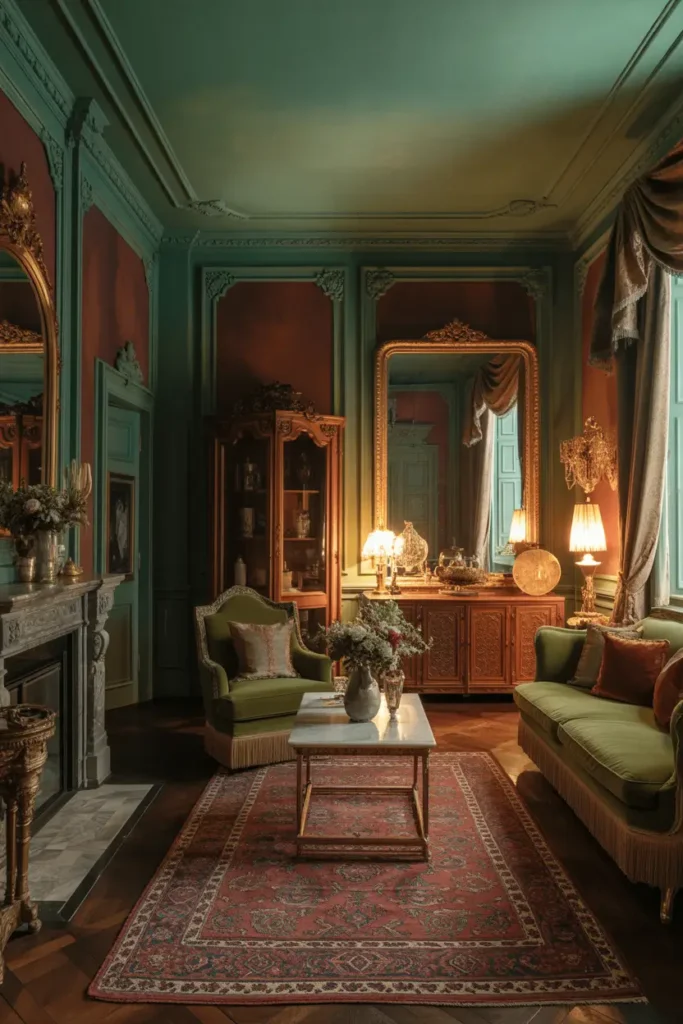
Wall color changes the entire feeling of a Victorian living room. Many people make the mistake of keeping walls bright white because they fear dark paint. But Victorian interiors were built around deep and dramatic colors.
Dark green, burgundy, navy blue, charcoal, and warm brown are all trending again in 2026. Design reports from British Vogue and Veranda Magazine show that warm layered interiors are replacing flat minimalism.
Matte paint finishes work especially well in elegant Victorian living room spaces. They absorb light softly and make walls feel richer. Glossy paint often looks too modern for this style.
Dark walls also help antique furniture stand out. Gold mirrors, wood cabinets, and velvet sofas look more expensive against deep colors. If painting the entire room feels risky, try one accent wall first.
Ceilings are becoming more decorative again too. Some homeowners are painting ceilings in softer shades of the wall color. This creates a cozy feeling and makes large rooms feel more intimate.
If your living room gets little sunlight, choose warm shades instead of cool dark colors. Warm olive green usually feels more welcoming than icy charcoal gray.
Add Ornate Molding and Ceiling Details
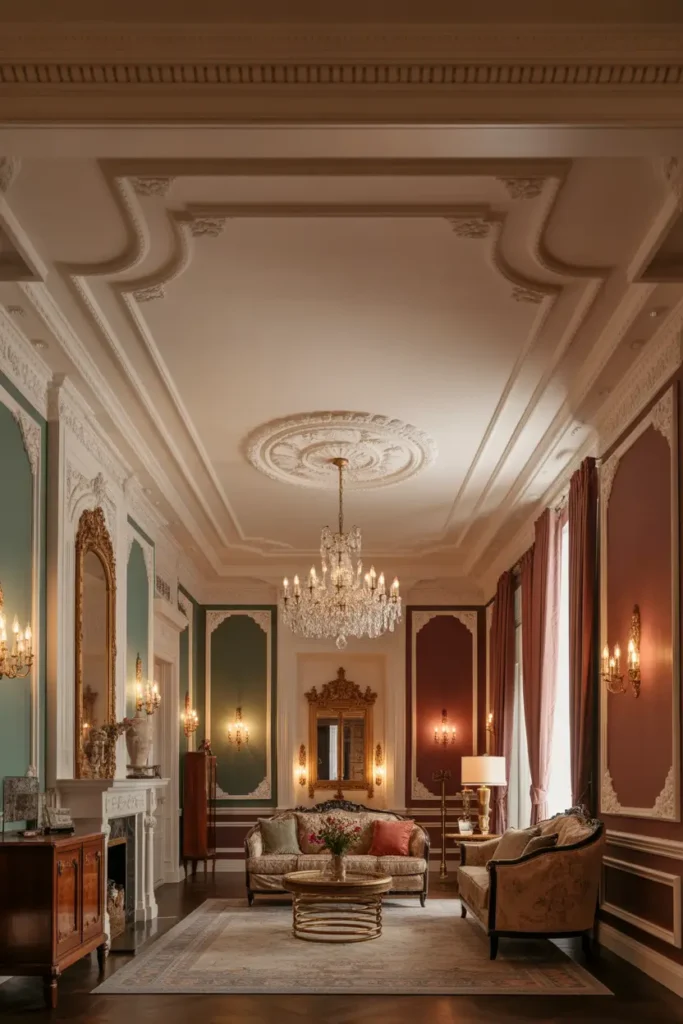
Victorian rooms always had architectural detail. Plain flat walls can make even expensive furniture feel unfinished. Crown molding instantly adds character without changing the entire room.
You do not need a historic home to make this work. Lightweight polyurethane molding is now affordable and much easier to install than real plaster. Many DIY creators on YouTube are using peel and stick molding kits in apartments and rental homes.
Ceiling medallions are another easy upgrade. They make chandeliers look more dramatic and expensive. Even a simple light fixture feels more elegant with decorative ceiling detail around it.
Wall molding also helps large living rooms feel less empty. Thin rectangular molding frames can create depth without overwhelming the space. This works especially well in rooms with tall ceilings.
The trick is balance. If your walls include heavy molding, keep some furniture simpler. Modern sofas paired with classic molding help Victorian home décor ideas feel updated instead of old fashioned.
Cream, soft white, and warm beige molding colors usually work better than bright white. They blend more naturally into vintage inspired rooms.
Mix Antique Furniture With Modern Pieces
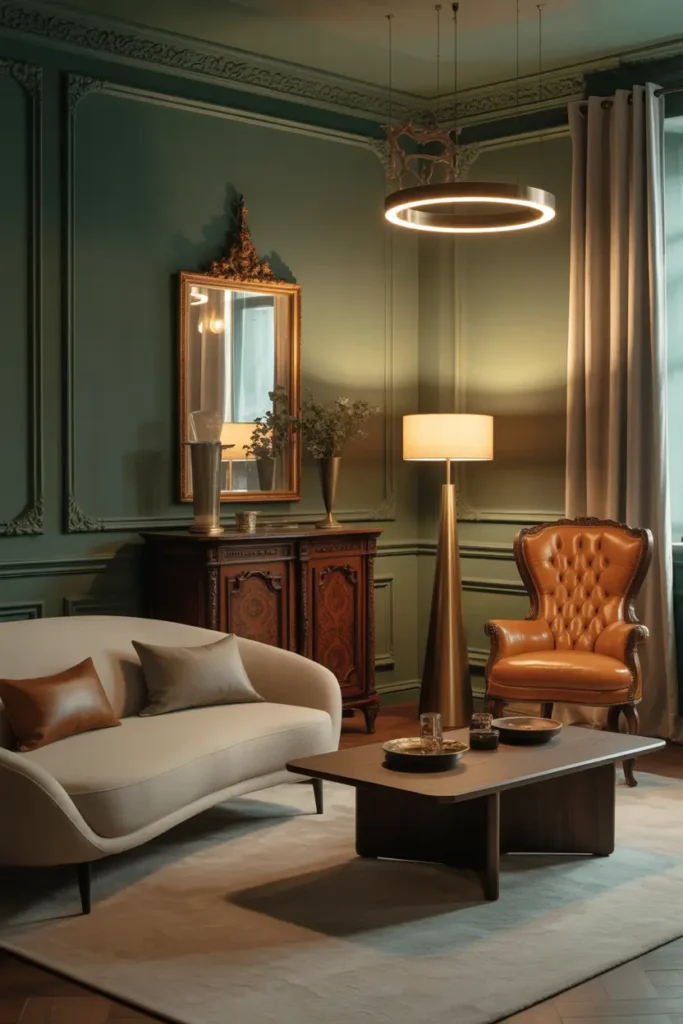
One of the biggest mistakes people make is buying only antique furniture. The room quickly starts looking stiff and outdated. Modern Victorian living room design works best when old and new styles mix together.
A dark wood coffee table can look beautiful beside a modern curved sofa. A vintage cabinet can balance clean modern lighting. This mix keeps the room interesting.
Interior trend reports from Gira Living Trends show that softer furniture shapes and collected interiors are becoming more popular in 2026. People want homes that feel personal instead of perfectly matched.
Try using one strong Victorian statement piece in each area of the room. Maybe it is an antique mirror, carved bookshelf, or tufted chair. Then surround it with simpler furniture.
This also saves money. Genuine Victorian furniture can be expensive and difficult to maintain. Mixing styles lets you invest in a few standout pieces instead of redesigning the entire room.
Facebook Marketplace, flea markets, and estate sales are good places to find vintage wood furniture for less. Minor scratches often add character anyway.
If the room starts feeling too heavy, add lighter fabrics or modern lamps. That contrast keeps the space balanced.
Layer Velvet Linen and Heavy Textures
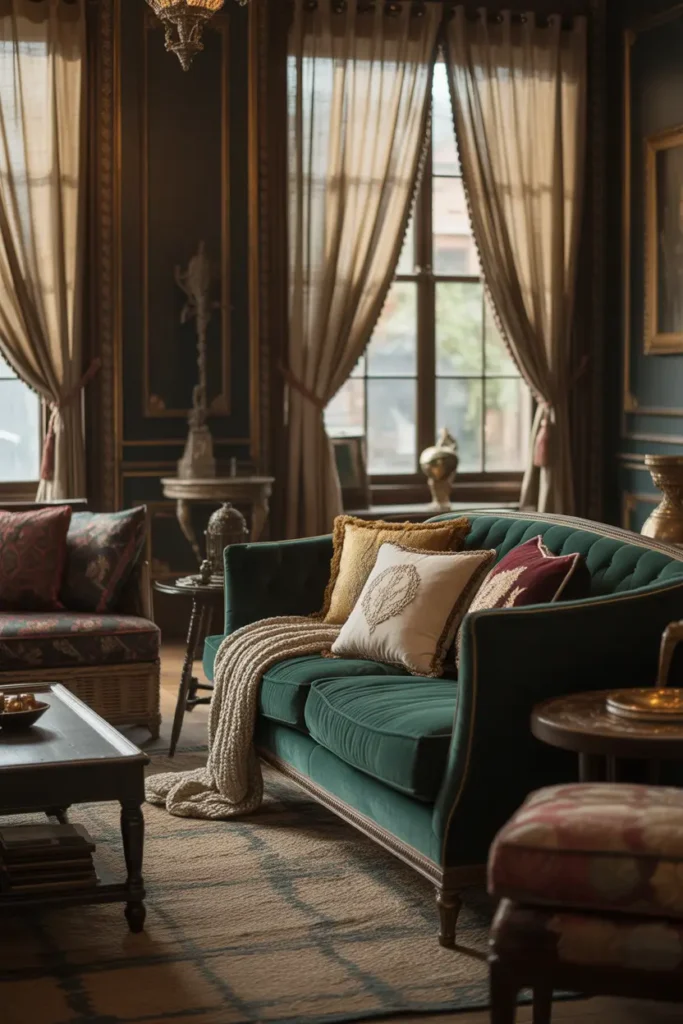
Texture matters just as much as color in Victorian living room ideas. Without layered fabrics, dark rooms can feel flat and cold.
Velvet sofas are becoming popular again because they instantly make rooms feel softer and more luxurious. Deep green, rust, navy, and chocolate velvet all work well in Victorian spaces.
But too much velvet can feel overwhelming. Mix it with linen curtains, woven rugs, cotton pillows, and knitted throws. The room feels more natural when different textures work together.
Design experts at Upcycle Interiors Ltd say tactile interiors are replacing smooth minimalist spaces in 2026. People want homes that feel comfortable and lived in.
Heavy curtains also help Victorian rooms feel cozy. They soften sound and make large windows feel more dramatic. Embroidered pillows and layered rugs add warmth too.
Texture becomes even more important when walls are dark. Soft fabrics stop the room from feeling too formal.
If your budget is small, focus on pillows and curtains first. Those details create a big visual change without replacing all your furniture.
Use Statement Lighting Like Chandeliers and Sconces
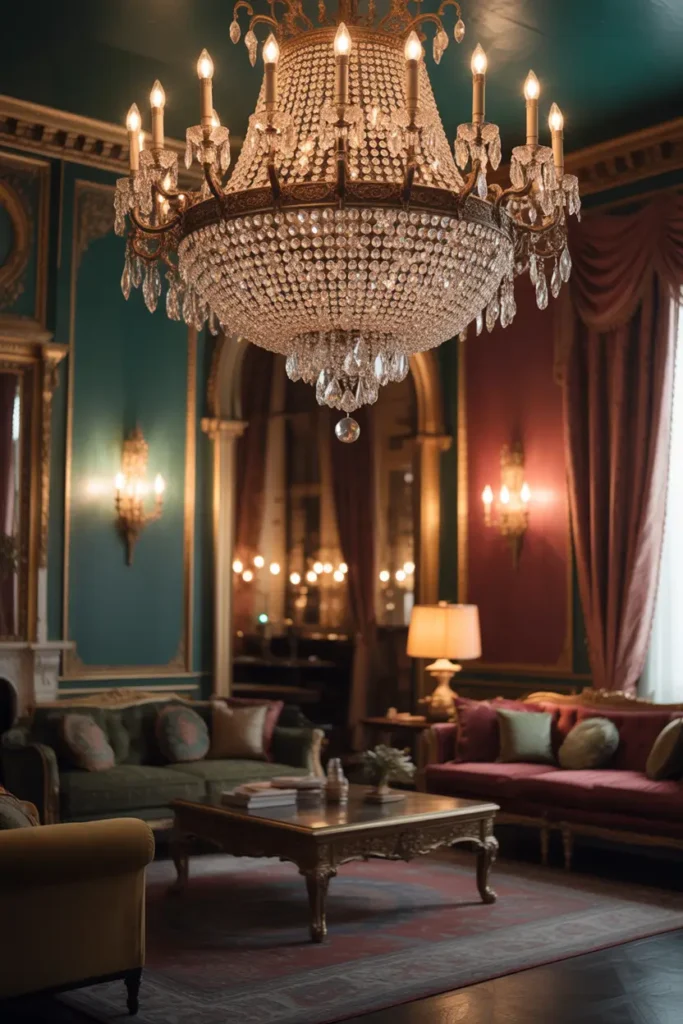
Lighting can completely change how Victorian décor feels. Poor lighting makes dark colors look gloomy. Warm layered lighting makes them feel rich and inviting.
Victorian homes traditionally used chandeliers, wall sconces, candles, and table lamps together. That layered look is returning again because people want softer spaces at night.
Crystal chandeliers remain one of the easiest ways to create elegance. But oversized fixtures do not work in every home. Smaller brass chandeliers or vintage inspired pendant lights often feel more practical.
Wall sconces help spread light across darker walls. They also make living rooms feel more intimate. Many modern versions now include wireless installation, which helps renters.
Lighting trend reports from Gira Living Trends show that ambient lighting continues growing in popularity because people want calmer interiors.
Warm bulbs matter too. Cool white LEDs often ruin the cozy Victorian atmosphere. Choose warm soft lighting whenever possible.
Smart dimmers are useful because Victorian interiors look best with adjustable lighting. Bright overhead lighting alone usually feels harsh.
Decorate With Gallery Walls and Gold Frames
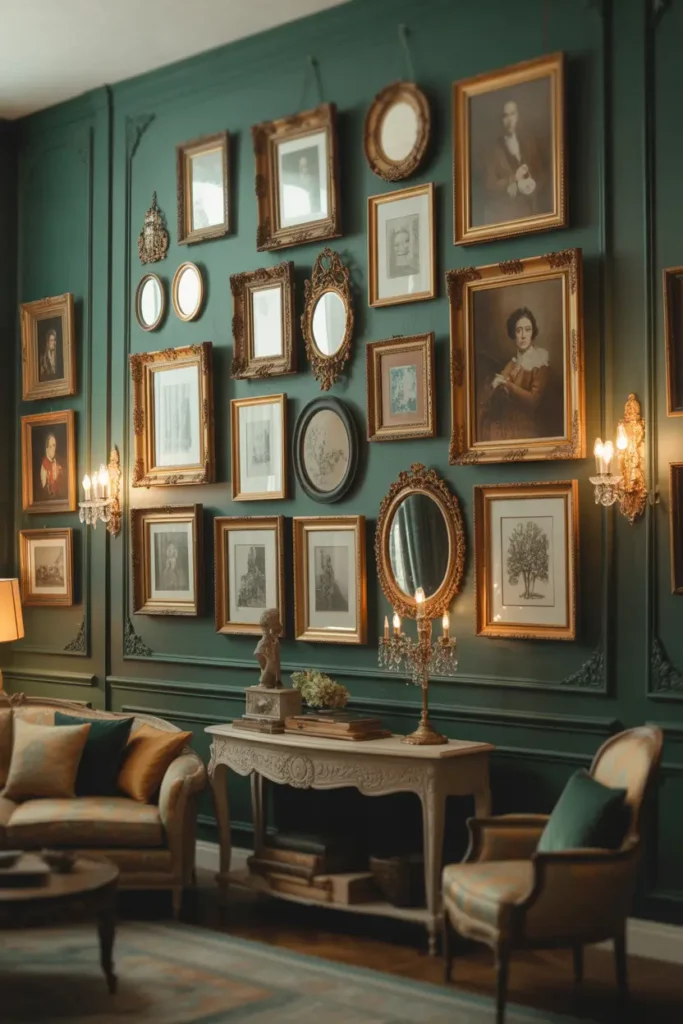
Victorian homes rarely had empty walls. Artwork played a huge role in creating layered interiors. Gallery walls are one of the easiest ways to bring that feeling into modern homes.
Gold frames work especially well because they reflect light and add warmth. Landscapes, oil paintings, vintage portraits, botanical prints, and antique mirrors all fit naturally into this style.
The key is variety. Different frame sizes make the wall feel collected over time instead of perfectly staged.
Thrift stores are great for finding affordable frames. Many people repaint cheap frames with gold metallic paint for a vintage look. This works surprisingly well.
Oversized mirrors are another smart addition. They reflect natural light and help smaller Victorian living rooms feel bigger.
Spacing matters too. Leave small gaps between frames so the arrangement feels connected but not crowded.
If you are nervous about building a large gallery wall, start above the fireplace or sofa first. Smaller groupings feel easier to manage.
Bring in Floral Patterns and Wallpaper
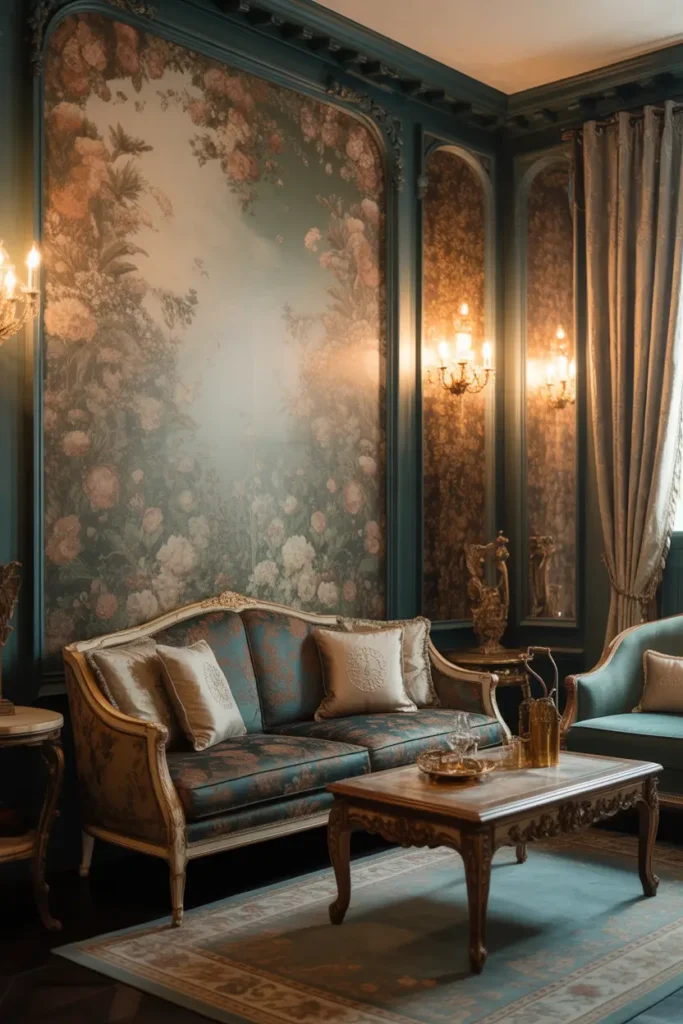
Wallpaper is becoming popular again because homeowners want more personality in their spaces. Victorian wallpaper ideas are especially trending across Pinterest in 2026.
Floral and botanical prints help soften darker rooms. They also bring movement into spaces filled with wood furniture and heavy fabrics.
Large busy prints can overwhelm small living rooms though. Smaller floral patterns usually feel more timeless and easier to style.
Accent walls are often the safest option. One wallpapered wall creates character without making the room feel crowded.
According to Veranda Magazine, maximalist interiors continue growing because people want homes that feel expressive and personal again.
Peel and stick wallpaper also makes this trend more renter friendly. Many newer options remove cleanly and cost much less than traditional wallpaper installation.
If your wallpaper includes strong patterns, keep nearby furniture simpler. Solid velvet sofas or neutral curtains help balance the room.
Botanical prints pair especially well with dark green walls and brass lighting.
Style a Victorian Fireplace as the Room’s Centerpiece
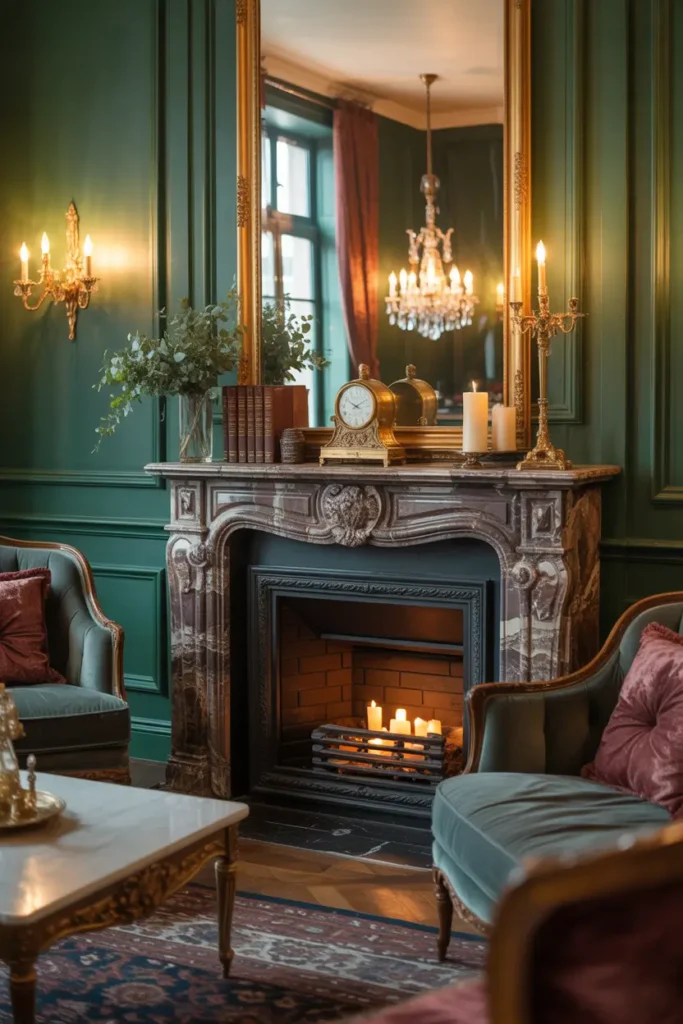
A fireplace naturally becomes the focal point in most Victorian living rooms. Even if you do not have a real fireplace, you can still create a similar effect.
Many apartment renters now use decorative faux mantels because they add architectural character without renovation work. Electric fireplace inserts are also becoming more realistic and energy efficient.
Marble fireplaces work beautifully in elegant Victorian living room spaces. Black marble and carved wood mantels feel especially dramatic against darker walls.
Candles, antique clocks, framed art, and layered mirrors all work well on fireplace mantels. But avoid filling every inch with décor. Too many objects quickly create clutter.
Seasonal styling keeps fireplaces feeling fresh year round. Branches, greenery, or vintage books help the room feel lived in instead of staged.
If your room already has strong wallpaper or dark paint, keep mantel décor slightly simpler. Balance matters more than buying expensive accessories.
Use Dark Wood Furniture for Authentic Character
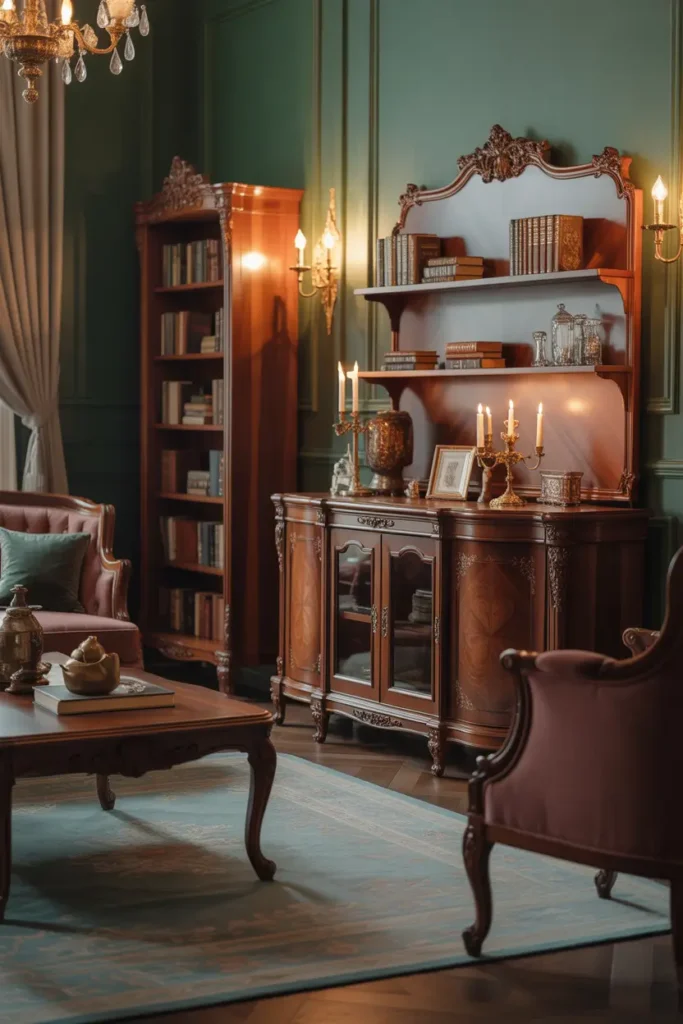
Dark wood furniture gives Victorian rooms their rich and grounded feeling. Walnut, mahogany, and oak have been used in traditional interiors for generations because they add warmth and depth.
In 2026, dark wood is returning again after years of pale minimalist furniture. Reports from Good Housekeeping show that richer wood tones are becoming more popular in cozy home design.
Bookshelves, coffee tables, cabinets, and sideboards work especially well in darker finishes. They help anchor soft fabrics and decorative accessories.
But here is the important part. Too much heavy wood can overwhelm the room. Balance darker furniture with lighter curtains, rugs, or wall colors.
Vintage cabinets are especially useful because they add storage while also acting as décor. Glass front cabinets can display books, candles, and collected vintage pieces beautifully.
If real antique furniture costs too much, many newer furniture brands now make Victorian inspired pieces with simpler shapes and lower prices.
Add Vintage Accessories Without Creating Clutter
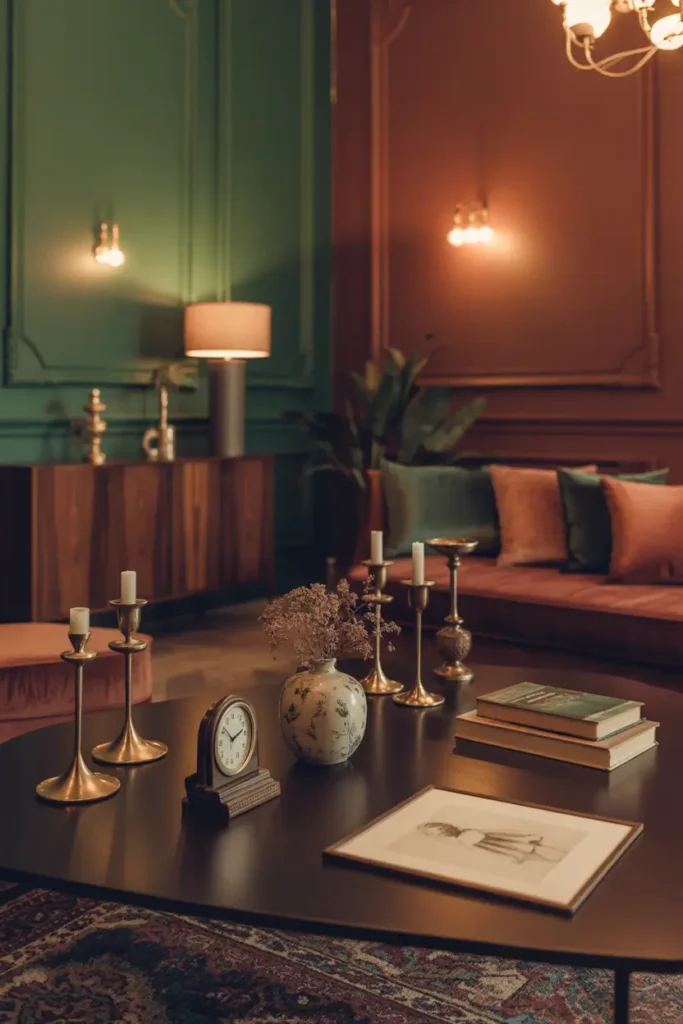
Vintage living room décor looks best when it feels intentional. Many people confuse Victorian style with overcrowded rooms. That usually makes spaces stressful instead of elegant.
You do not need dozens of decorations. A few meaningful pieces often look better.
Candlesticks, ceramic vases, stacked books, antique clocks, framed sketches, and brass objects all work beautifully in Victorian interiors. Grouping items in odd numbers usually creates a softer and more balanced arrangement.
Interior designers are also moving away from excessive decoration. According to Gira Living Trends, curated interiors are replacing overly styled spaces in 2026.
Leave empty space between accessories so the room can breathe. That open space helps important objects stand out more.
Mixing modern pieces with vintage finds also keeps the room from feeling stuck in the past. A modern lamp beside antique books creates balance.
If you are decorating on a budget, thrift stores and flea markets are often better than buying mass produced vintage replicas online.
Create Cozy Reading Corners With Victorian Charm
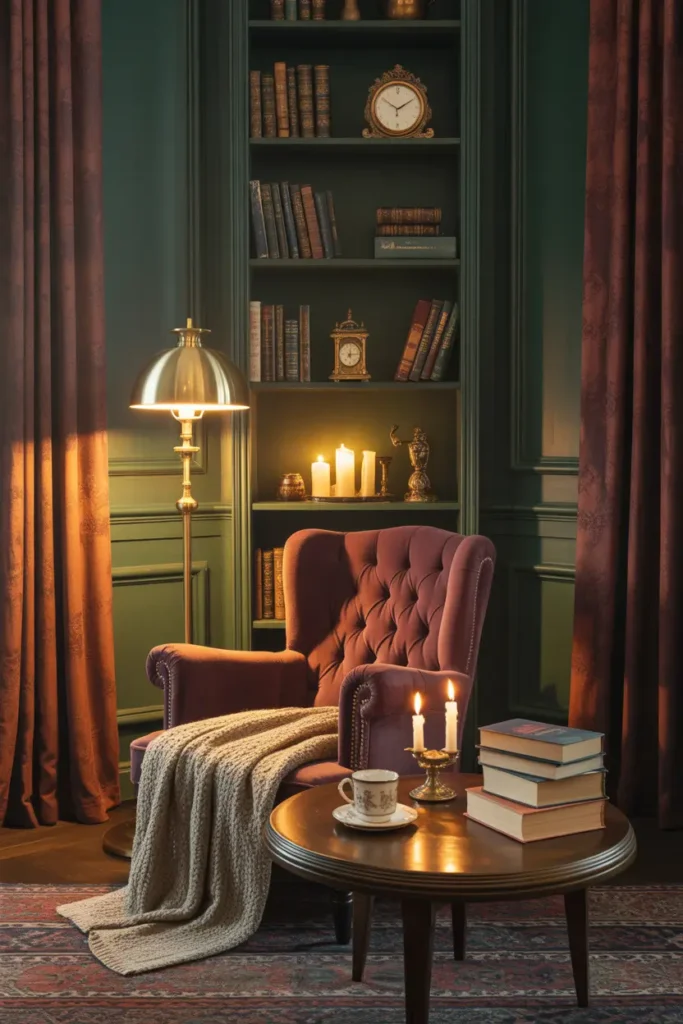
Victorian interiors always felt personal and comfortable. Reading corners help recreate that feeling in modern homes.
A tufted armchair beside a floor lamp instantly creates a cozy space. Add a small side table, layered blanket, and a few books nearby. Simple changes like these make living rooms feel warmer.
Reading corners work especially well in smaller spaces because they make empty corners useful instead of awkward.
Warm lighting matters here too. Harsh bright lights rarely feel relaxing. Soft lamps help the space feel calm during evenings.
Bookshelves also strengthen the Victorian atmosphere. Even a small shelf filled with books and candles adds character.
If space is tight, use a narrow chair with a slim side table instead of oversized furniture. Comfort matters more than size.
Incorporate Modern Technology Subtly
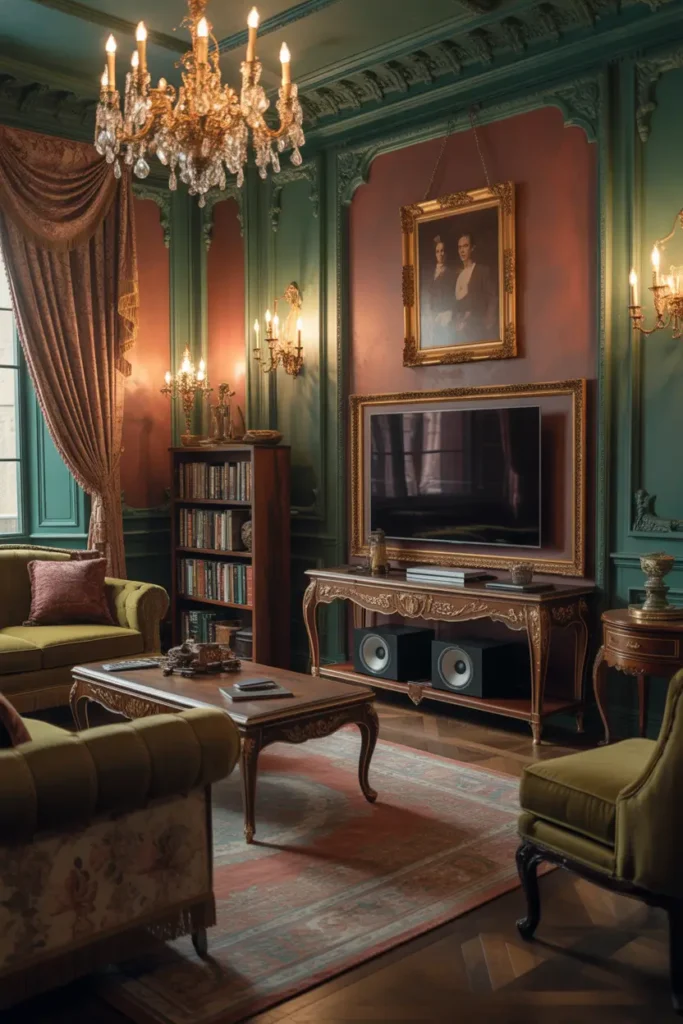
Modern comfort still matters. Most people do not want their living room to feel historically accurate if it makes everyday life harder.
The goal is blending technology quietly into the space.
Many homeowners now hide televisions inside cabinets or frame them like artwork. Wireless speakers can disappear into bookshelves or side tables. Smart lighting systems also help Victorian rooms feel more comfortable at night without adding visible clutter.
According to Gira Living Trends, invisible technology is becoming a major interior trend because people want calmer spaces with less visual noise.
Try hiding cables whenever possible. Visible cords quickly break the vintage feeling.
If your room already has many decorative details, modern technology should stay simple and quiet in the background.
Use Layered Curtains for Dramatic Windows
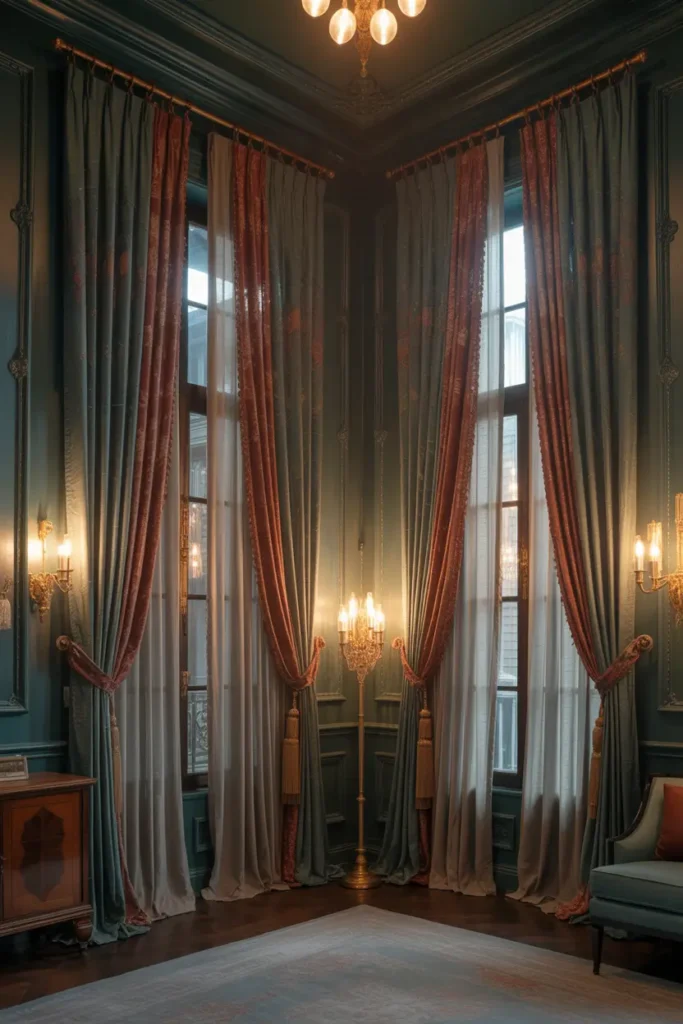
Curtains play a huge role in elegant Victorian living room design. Bare windows can make the room feel unfinished and cold.
Floor length curtains instantly make ceilings appear taller. Hanging curtain rods closer to the ceiling also helps windows look larger.
Layering works best. Sheer curtains soften daylight during the day, while heavier outer curtains create warmth at night.
Velvet curtains feel luxurious but can become visually heavy in smaller rooms. Linen blends often feel lighter while still matching Victorian style.
Tassels, trim, and decorative curtain rods add extra detail without overwhelming the room.
If your walls already include wallpaper or dark paint, choose curtains in solid colors. Too many competing patterns can feel chaotic.
Decorate With Indoor Plants and Botanical Touches
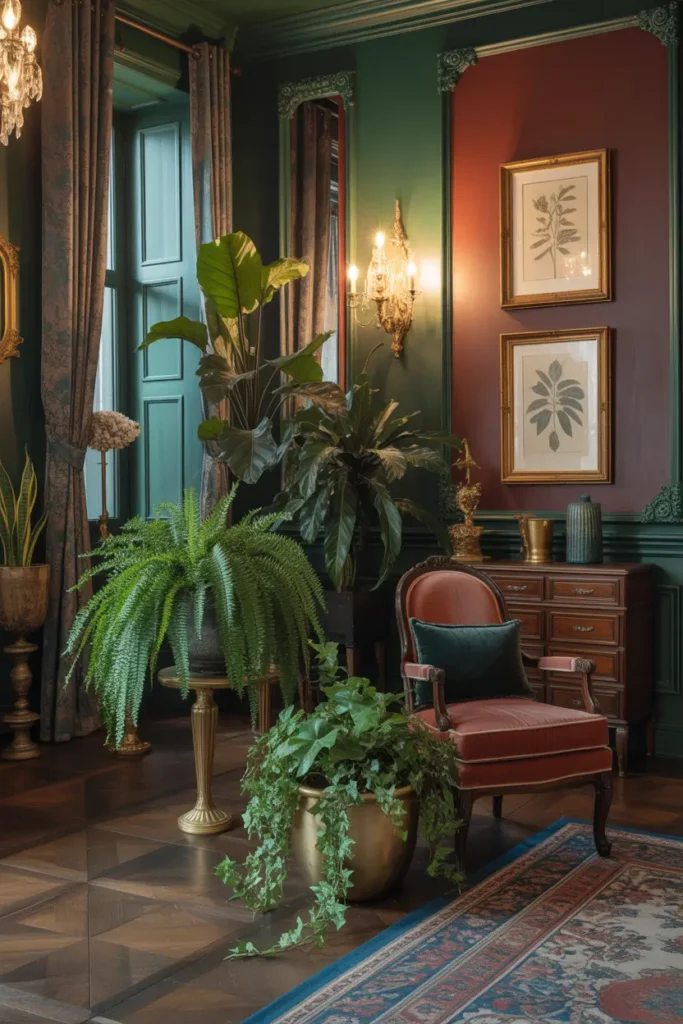
Plants soften Victorian interiors beautifully. Without greenery, dark wood furniture and heavy fabrics can sometimes feel too serious.
Victorian homes often included conservatory inspired spaces filled with plants and botanical prints. That natural feeling is becoming popular again.
Ferns, ivy, pothos, and trailing plants all work especially well because they add softness and movement. Brass and ceramic planters match vintage living room décor naturally.
According to British Vogue, organic interiors and handcrafted décor continue growing because people want homes that feel calming and personal.
If you are new to plants, start small. One large floor plant often looks better than many tiny plants scattered everywhere.
Botanical artwork also helps if maintaining real plants feels difficult.
Choose Rugs That Add Pattern and Warmth
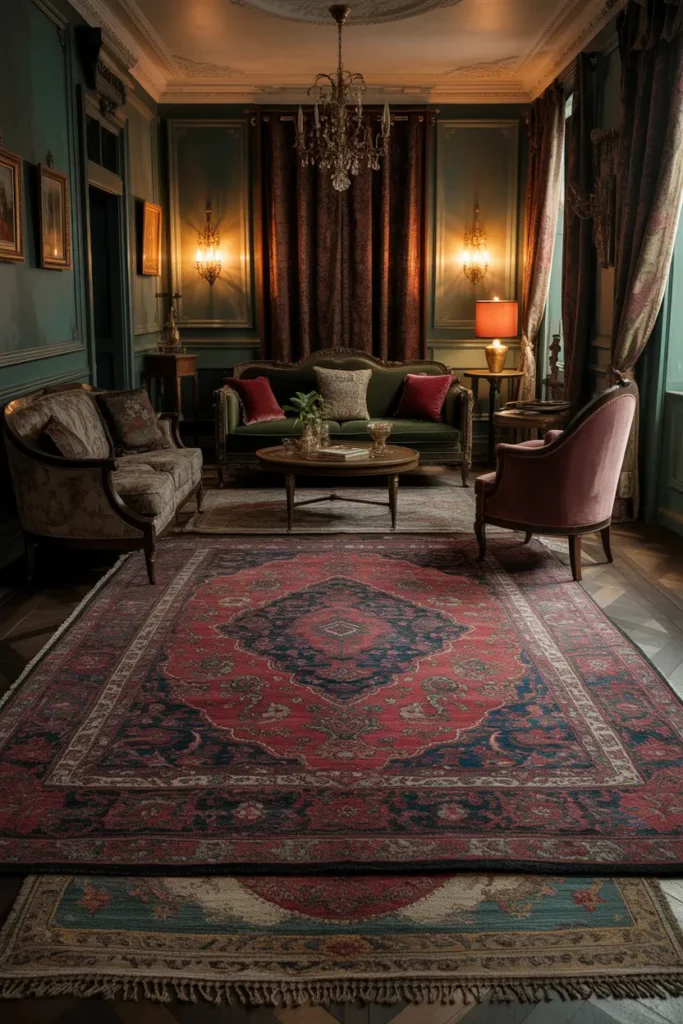
Rugs help Victorian living rooms feel complete. Without rugs, darker furniture can sometimes look disconnected from the rest of the room.
Persian inspired rugs work especially well because they add color, pattern, and history at the same time. Deep reds, navy blues, olive greens, and faded vintage tones all fit naturally into Victorian spaces.
Layering rugs is becoming more common too. A smaller vintage rug over a larger neutral rug creates depth and softness.
Large rugs also make furniture layouts feel more connected. Small rugs often make rooms feel unfinished.
If your furniture already includes bold patterns, choose a quieter rug. Balance is important in every Victorian room.
Vintage inspired rugs are now available at many price points, so you do not need genuine antiques to create the look.
Balance Maximalism With Open Space
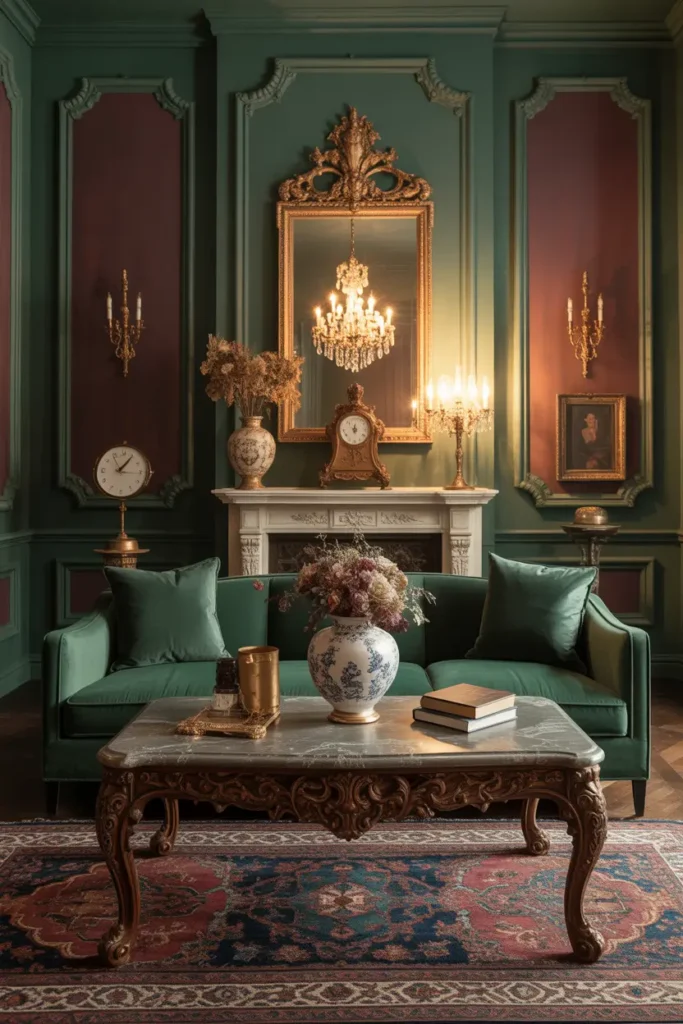
Victorian living room ideas work best when they feel layered but still comfortable. That balance is what many people struggle with.
Maximalism is growing again because people want homes filled with personality. But there is a difference between collected style and clutter.
Design reports from Henley Homes show that 2026 interiors focus heavily on warmth, individuality, and curated living.
Leave visual breathing room between furniture pieces. Not every wall needs artwork. Not every shelf needs accessories.
Focus on a few strong statement pieces instead of filling the room with small decorations. One dramatic chandelier usually has more impact than many tiny decorative objects.
Comfort matters too. Victorian interiors should still feel practical for daily life.
If the room starts feeling crowded, remove a few accessories before buying more. Editing is often more important than decorating.
Conclusion
Victorian living rooms are becoming popular again because people want homes that feel warm, elegant, and personal. Rich wall colors, layered textures, dark wood furniture, vintage accessories, and soft lighting all help create that atmosphere.
But the best Victorian living room ideas do not copy the past exactly. They mix antique character with modern comfort. That balance keeps the room beautiful without feeling outdated.
Start small if you feel overwhelmed. Maybe add velvet pillows, darker paint, vintage artwork, or layered lighting first. Small changes can completely shift the mood of your space.
An elegant Victorian living room should feel collected over time. It does not need to look perfect overnight.