16 Wabi Sabi Living Room Ideas for a Calm & Minimalist Home
Introduction
Modern homes feel loud. Not because of noise you hear, but because of what you see.
Too many colors. Too many things. Too much pressure to make everything look perfect.
You try minimalism, but it feels cold. Empty. Like a showroom no one lives in.
That’s where wabi sabi living room ideas come in.
This style is not about perfection. It is about calm. It is about living with less, but better. And more importantly, it is about making your space feel real.
In this guide, you will learn what wabi sabi interior design really means and how to use it in your own home. You do not need a full makeover. You do not need expensive furniture.
You will get 18 simple ideas you can actually use. Small changes that make your living room feel softer, quieter, and easier to live in.
What Is Wabi Sabi Interior Design?
Wabi sabi interior design is about finding beauty in things that are not perfect.
It comes from Japanese philosophy. The idea is simple. Nothing lasts forever. Nothing is perfect. And that is okay.
Instead of chasing clean lines and perfect finishes, you accept wear, texture, and age. A scratched table is not a problem. It tells a story.
This is where it differs from modern minimalism. Minimalism often feels strict. Everything must match. Everything must be clean. Wabi sabi feels warmer. More human.
People are turning to this style more in recent years. Search trends on platforms like Pinterest and Google show rising interest in calm home decor and natural materials. This shift links to stress. Studies from UCLA found that clutter can raise stress levels, especially at home.
Wabi sabi offers a softer answer. You do not remove everything. You keep what matters.
And that changes how your space feels.
Embrace Neutral, Earthy Tones
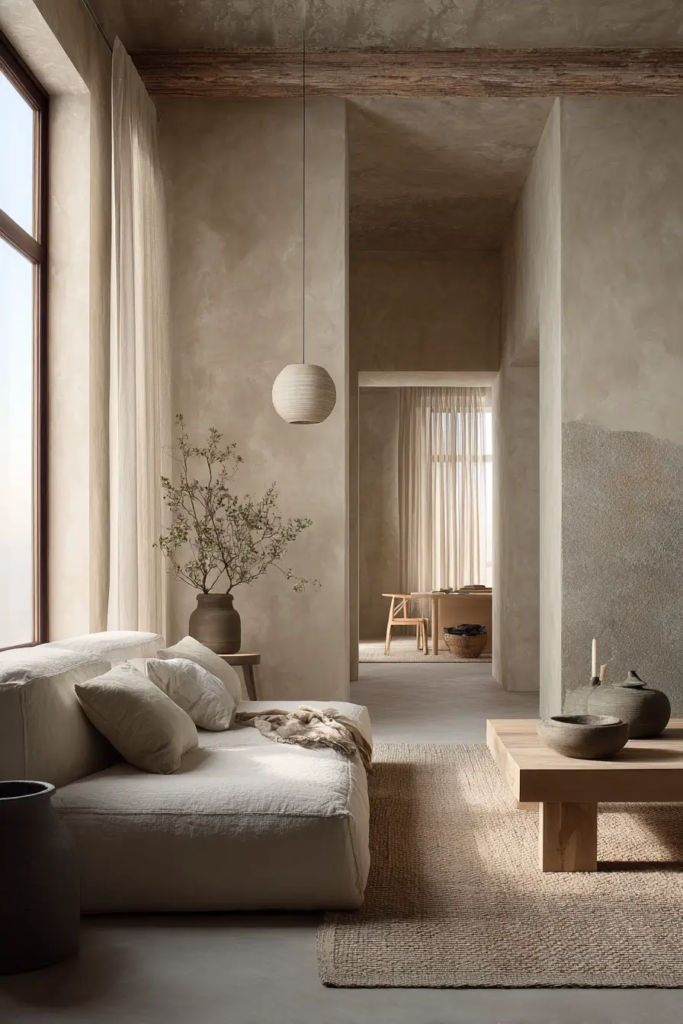
Start with your colors. Loud shades make a room feel busy.
Use soft tones like beige, clay, warm gray, or off white. These colors feel calm because they do not demand attention. They let your eyes rest.
Avoid bright white walls. They can feel cold. Instead, try textured paint or limewash. This adds depth without adding clutter.
When your colors feel grounded, everything else becomes easier.
Choose Imperfect Furniture
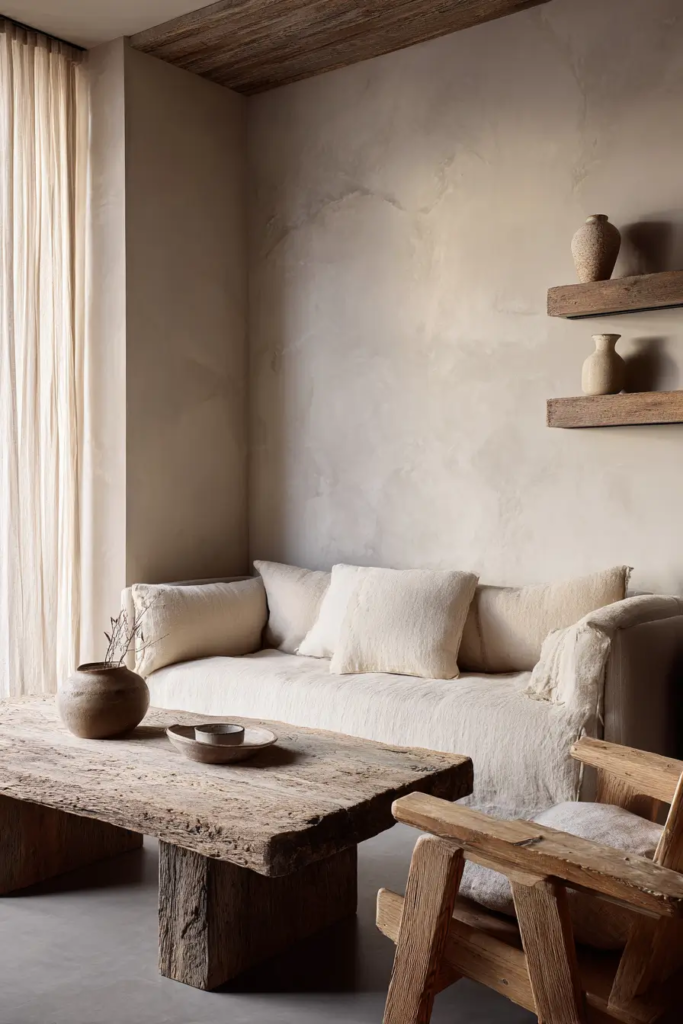
Look for furniture that is not flawless.
A table with uneven edges. A chair with visible grain. These pieces feel real.
Mass produced furniture often looks too perfect. It lacks character. Wabi sabi living room ideas focus on pieces that feel lived in.
If you already own something worn, keep it. That scratch or dent adds value, not takes it away.
Use Natural Materials Everywhere
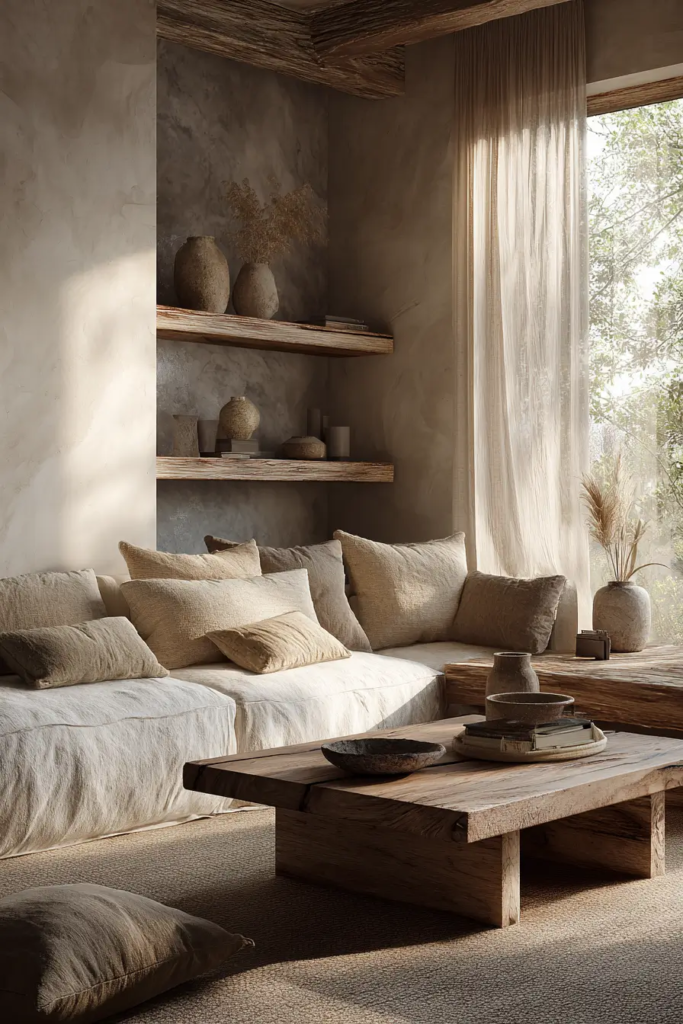
Bring in materials you would find in nature.
Wood, linen, cotton, stone, and clay work well. They age over time, which fits the wabi sabi style.
Research on biophilic design shows that natural elements can improve mood and reduce stress. That means your living room is not just pretty. It supports how you feel.
Swap synthetic fabrics for natural ones where you can. Even small changes help.
Keep Furniture Low and Grounded
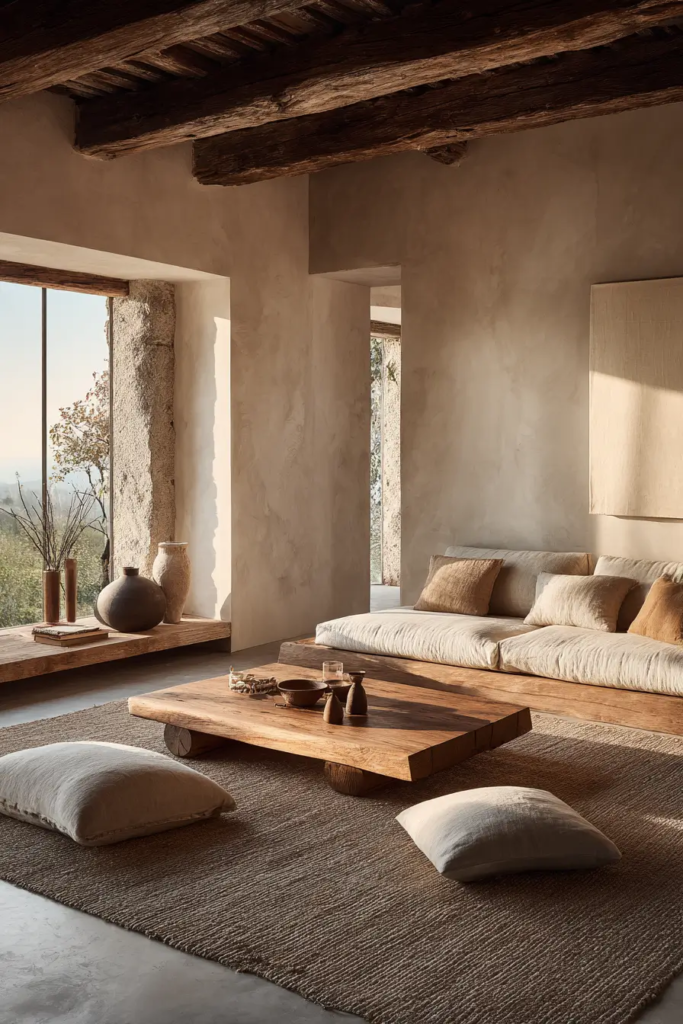
Lower furniture makes a space feel calmer.
Think low sofas or floor cushions. This style comes from traditional Japanese interiors.
It also makes your ceiling feel higher. That creates more breathing room.
You do not need to replace everything. Even lowering your coffee table or adding a floor seat can shift the feel.
Declutter But Keep Meaningful Items
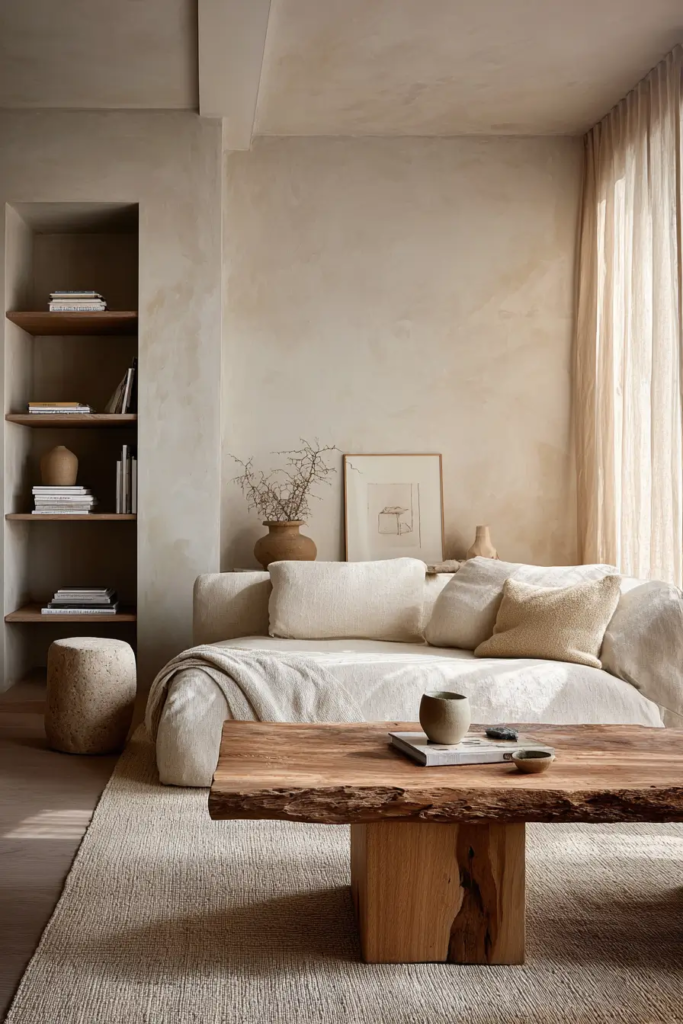
Do not aim for empty. Aim for intentional.
Look around your living room. Ask one question. Does this item matter to me?
If not, remove it.
But keep objects that tell your story. A book you love. A gift from a friend. These bring warmth into a minimalist living room.
The goal is not less stuff. It is better stuff.
Add Texture Instead of More Objects
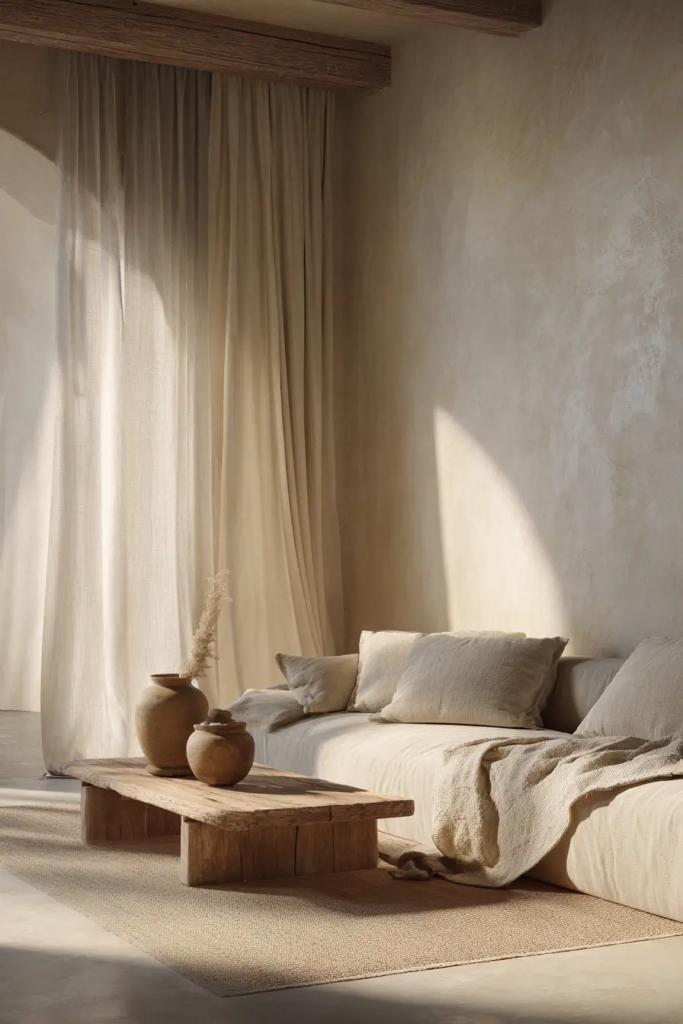
If your space feels flat, do not add more decor.
Add texture.
Layer a soft rug. Use a linen throw. Choose a rough ceramic vase. Texture adds depth without visual noise.
This is one of the easiest calm home decor ideas to apply. It works fast and does not cost much.
Let Light Be Soft and Natural
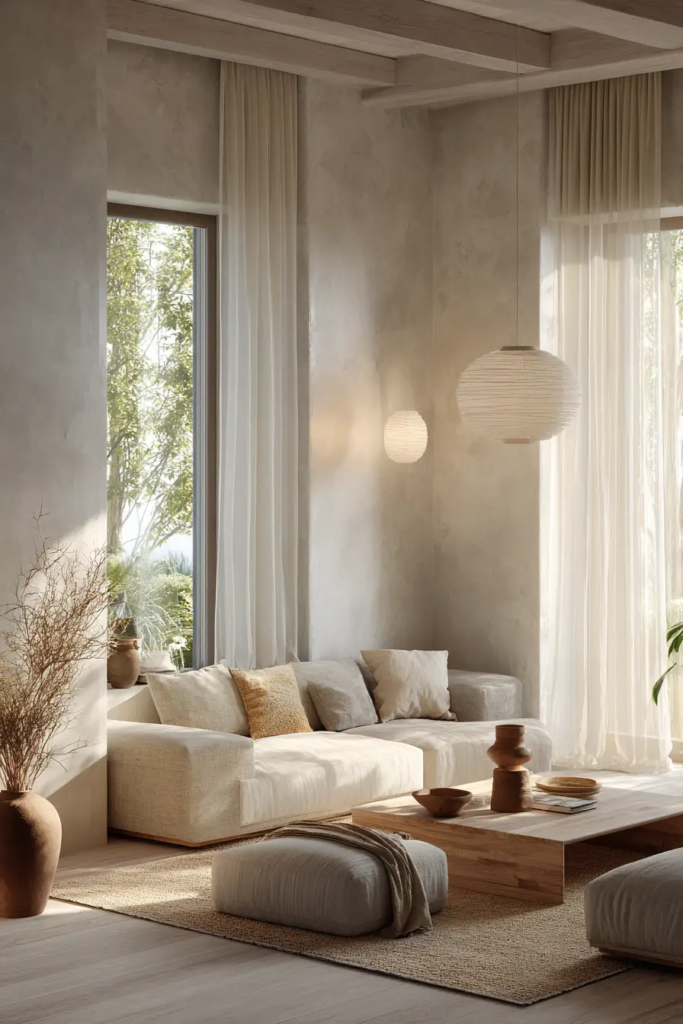
Lighting changes everything.
Open your curtains during the day. Use sheer fabrics that let light pass through gently.
At night, switch to warm bulbs. Bright white lighting feels harsh. It breaks the calm mood.
Soft light makes your living room feel safe and relaxed.
Incorporate Handmade Decor
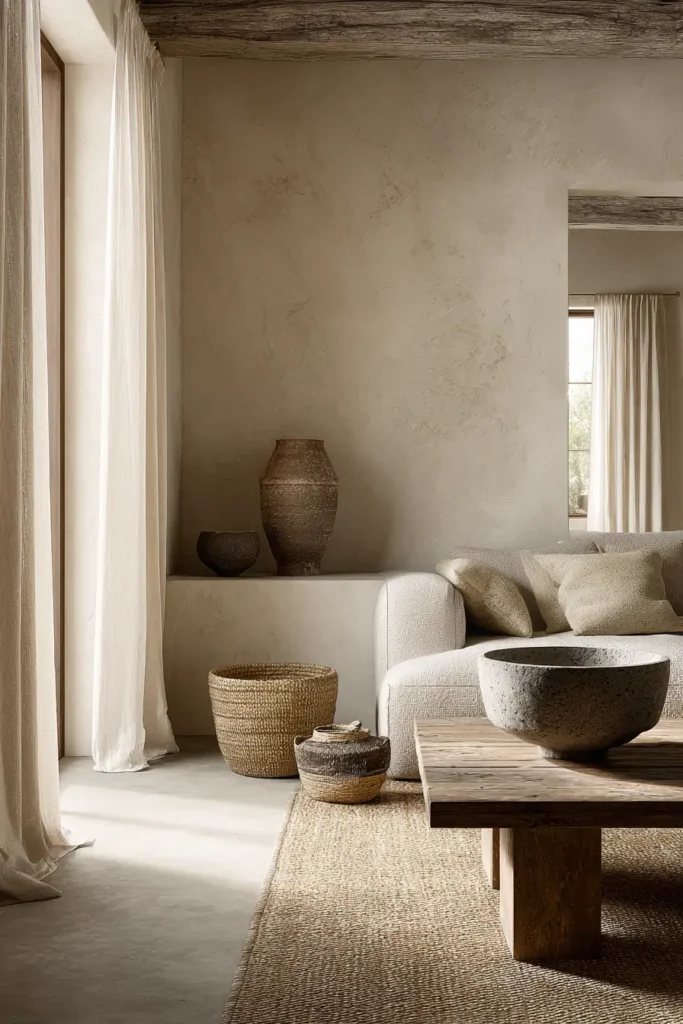
Handmade items feel different. You can see the effort in them.
A handmade bowl or woven basket adds character. It also supports small makers, which is becoming more popular on platforms like Etsy.
These items are not perfect. That is the point.
They bring life into your space.
Highlight Aging and Patina
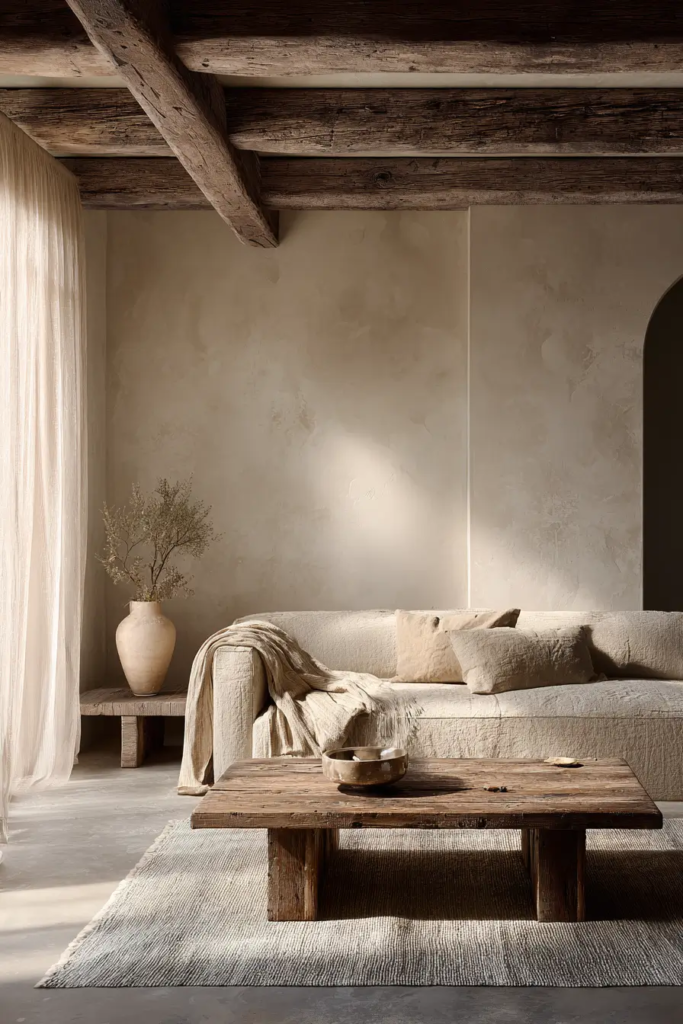
New is not always better.
A worn wooden table or faded fabric adds depth. This is called patina. It shows age.
Instead of replacing old items, learn to appreciate them. They make your living room feel grounded.
Perfection fades. Character stays.
Use Asymmetry in Layout
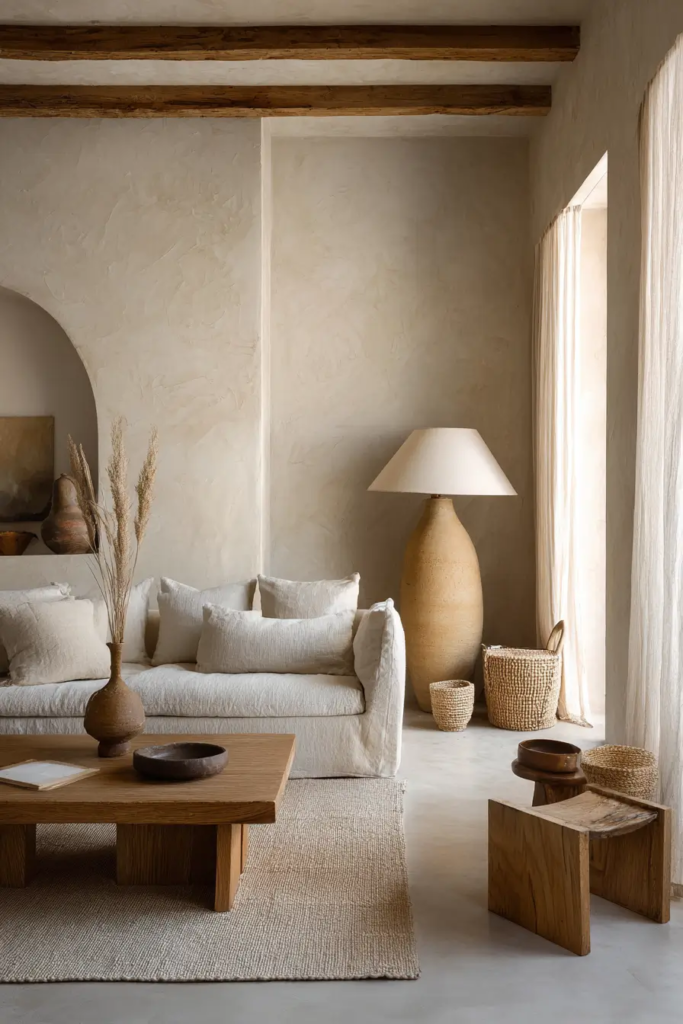
Do not try to make everything match.
Place objects off center. Mix sizes and shapes. Let things feel slightly uneven.
Symmetry can feel stiff. Asymmetry feels relaxed.
This small shift can make your space feel more natural.
Bring Nature Indoors
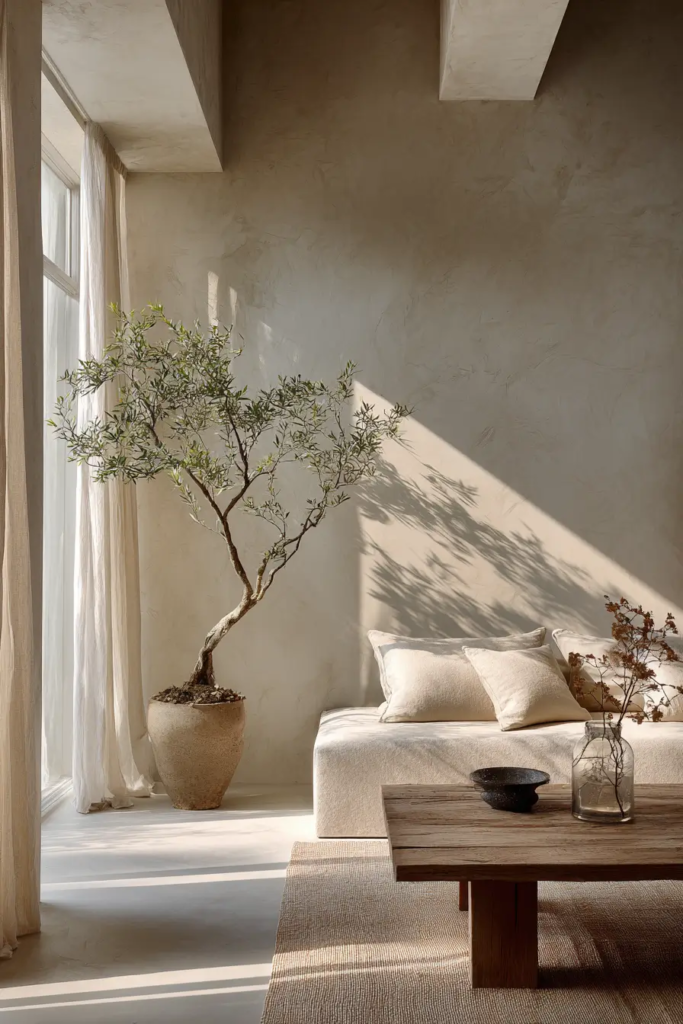
Add simple natural elements.
A plant. A branch in a vase. Even dried flowers work.
You do not need a jungle. One or two pieces are enough.
Nature softens a room. It connects your indoor space with the outside world.
Choose Muted, Organic Fabrics
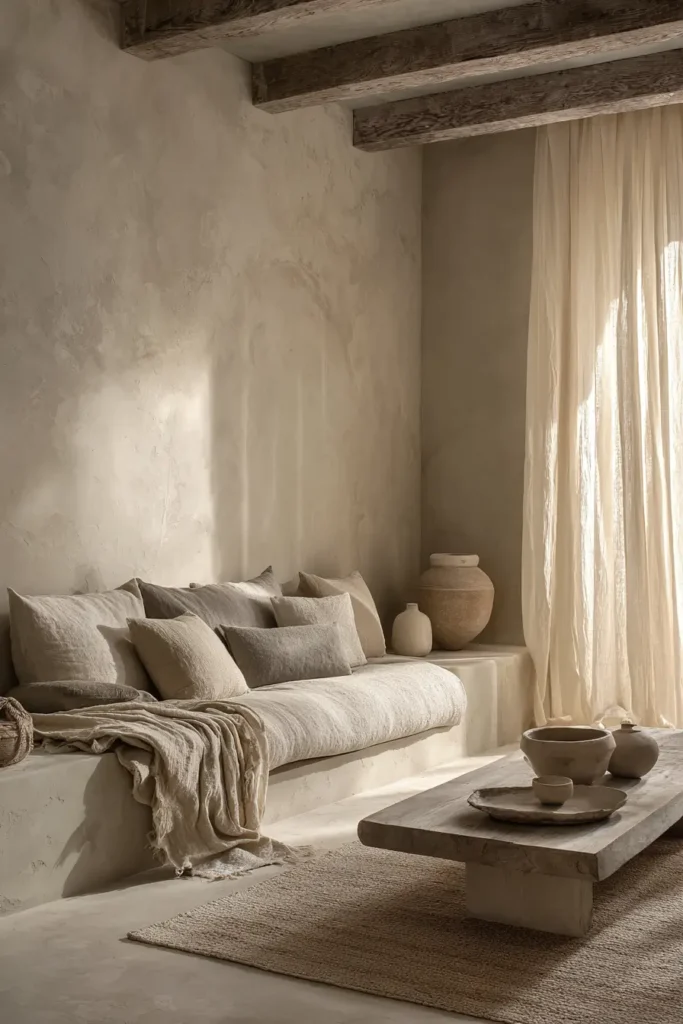
Fabric matters more than you think.
Choose linen, cotton, or wool in soft tones. Avoid shiny or synthetic materials.
Muted fabrics help your living room feel calm. They do not reflect too much light or attention.
Comfort is key here.
Keep Walls Bare or Minimal
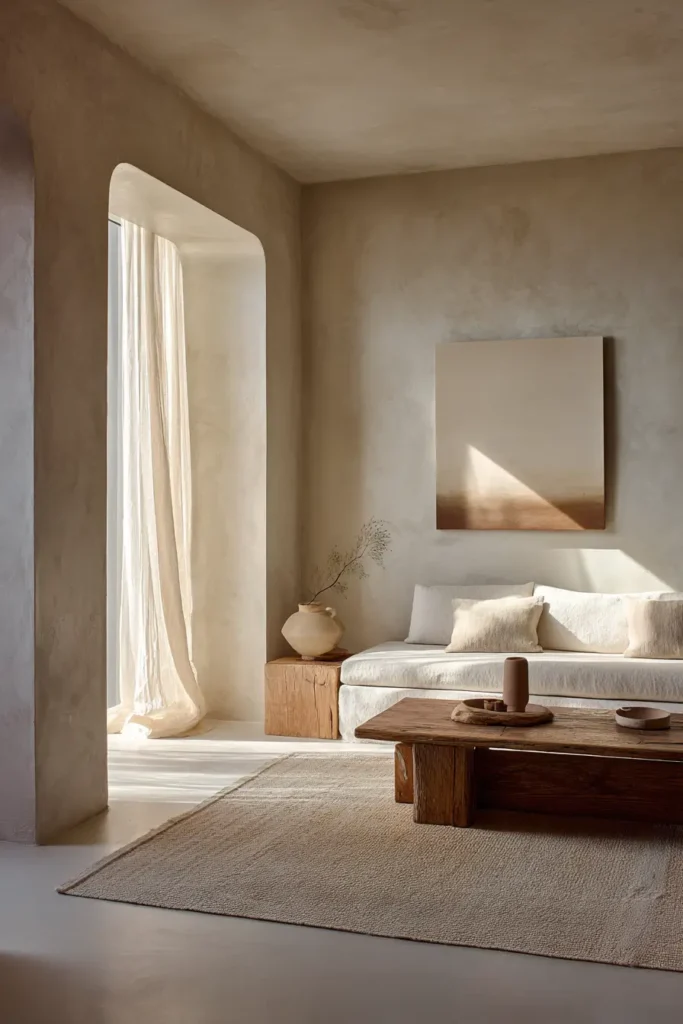
Not every wall needs decor.
Leave some space empty. This gives your eyes a place to rest.
If you add art, choose one piece that means something to you. Avoid filling every gap.
Space is part of the design.
Focus on Function Over Decoration
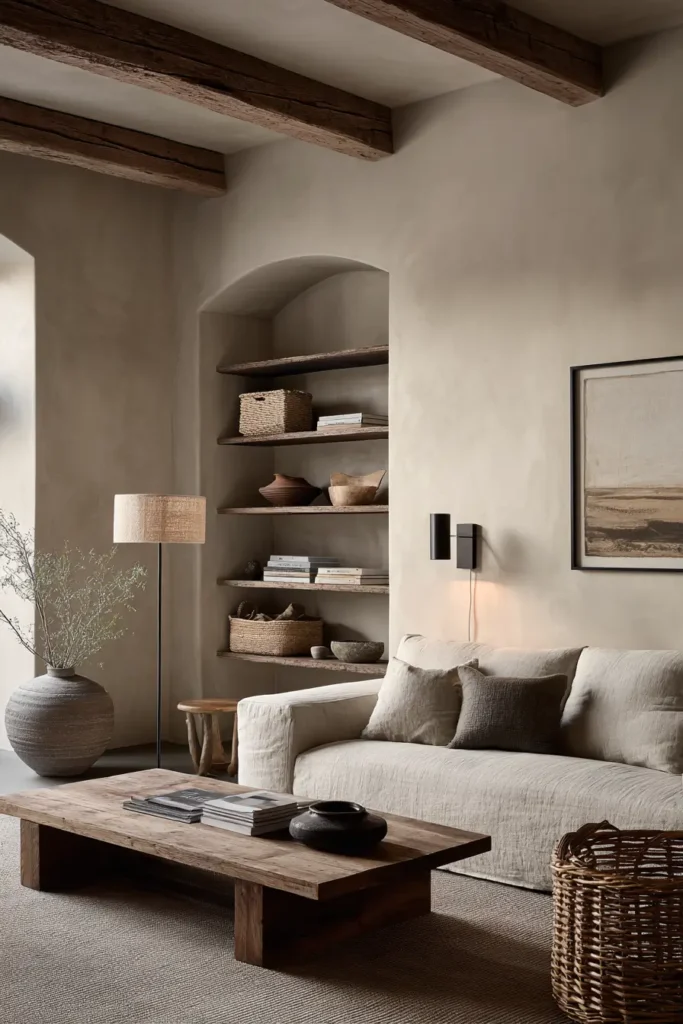
Every item should serve a purpose.
If something is only there to fill space, question it.
Functional items can still look good. A chair, a lamp, a shelf. These should work first, then look nice.
This keeps your space simple and useful.
Mix Old and New Thoughtfully
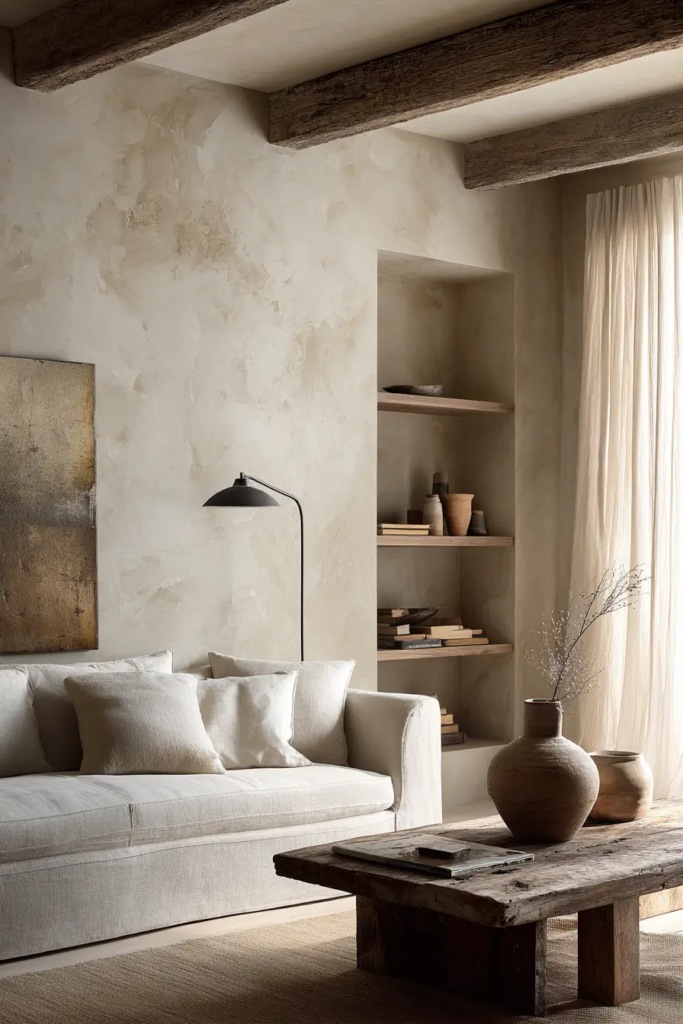
Balance matters.
Combine a modern sofa with a vintage table. Pair clean lines with rough textures.
This mix keeps your space from feeling staged.
Real homes are layered over time. Let yours reflect that.
Create Quiet Corners
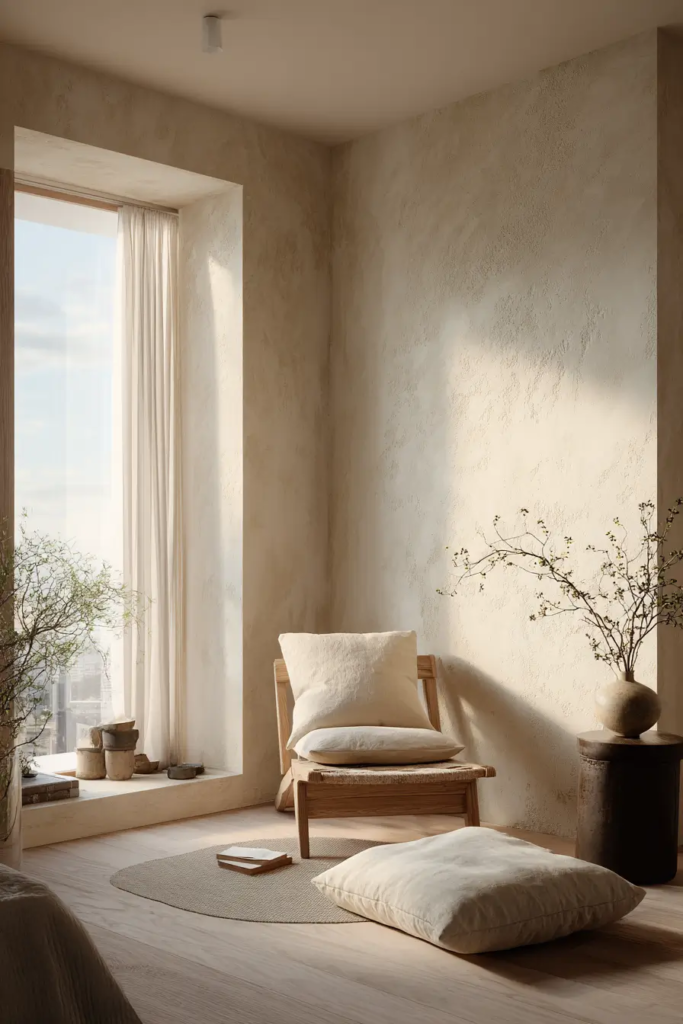
Set up a small area just for calm.
A chair by the window. A corner with a book. A simple floor cushion.
This becomes your reset space. Somewhere you can sit and slow down.
Even in a busy home, this matters.
Budget Friendly Ways to Achieve the Look
You do not need a big budget for this style.
Start with second hand items. Thrift stores and local marketplaces often have solid wood furniture at lower prices.
Try simple DIY updates. Limewash paint can change a wall without much cost. There are many tutorials on YouTube that show how to do it step by step.
Repurpose what you already have. Move items between rooms. Remove what you do not need.
Focus on fewer pieces. Spend a bit more on one good item instead of many cheap ones.
Affordable wabi sabi is about choices, not money.
Conclusion
Wabi sabi living room ideas are not about trends. They are about how your space makes you feel.
A calm room is not perfect. It is simple. It is soft. It reflects your life, not someone else’s.
You do not need to change everything at once. Start small. Change your lighting. Clear one surface. Add one natural material.
These small steps add up.
If you want a home that feels quiet and real, this approach works. Save this guide and come back to it as you make changes.
Your space should support you. Not overwhelm you.