16 Small Space Decorating for Beginners: 16 Ideas to Make Any Room Work
Introduction
Small rooms feel stressful when nothing has a place. You walk in and see clutter before anything else.
Most people try to fix it by adding more storage or more decor. That usually makes it worse. The room feels tighter, not better.
This guide gives you 16 simple ways to fix that problem. You will learn how to plan your space, choose the right furniture, and avoid common mistakes that make small rooms feel crowded. You will also see how light, layout, and storage change everything in a small home.
You will use ideas that work in real apartments, dorms, and small homes in 2026. No complex design rules. Just clear steps you can follow.
Main keywords like small space decorating for beginners, small apartment decorating ideas, and space saving interior design are used naturally throughout the guide.
1. Start by fixing your layout first
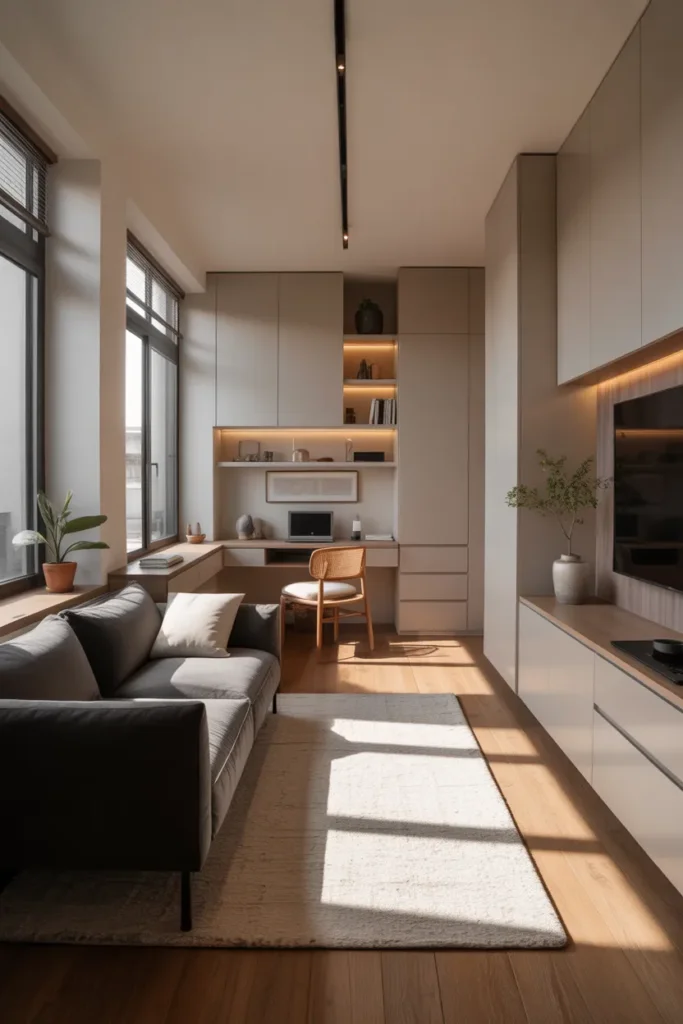
Most beginners decorate before they understand their space. That is where things go wrong.
You should measure your room first. Write down the width, length, and door placement. This helps you avoid buying furniture that blocks movement.
Look at corners that are unused. These areas often waste a lot of space. You can turn them into storage or seating zones.
Think about how you move in the room. You need clear walking paths. If you keep bumping into furniture, the layout is wrong.
Decide what the room is for. A room with too many purposes always feels messy. Pick one main use first.
Good planning makes small space decorating for beginners much easier because everything else depends on it.
2. Use furniture that does more than one job
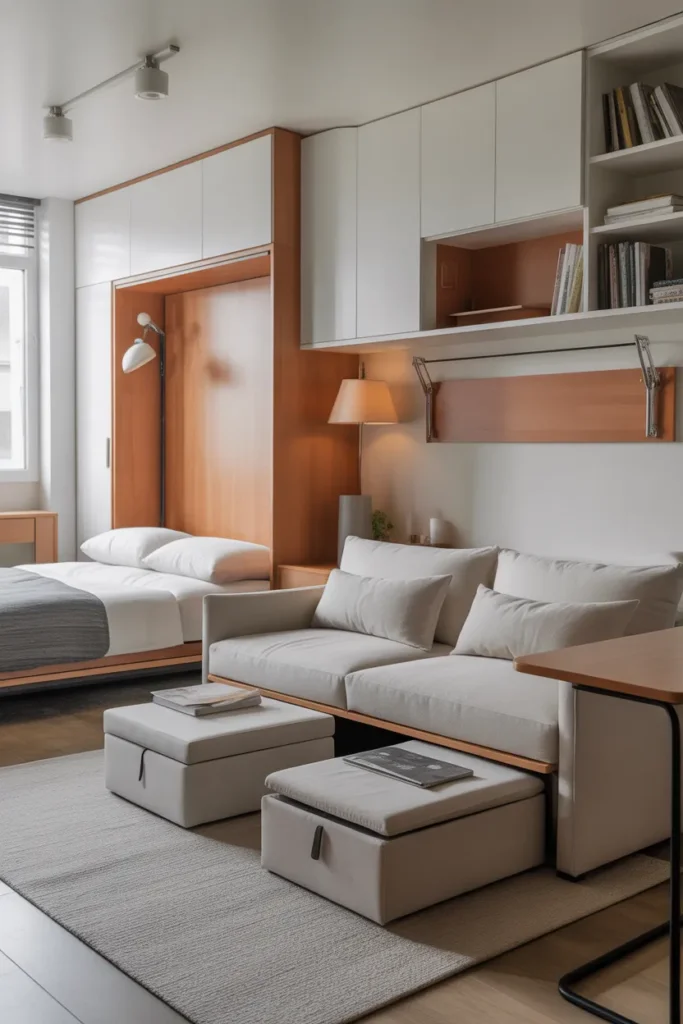
Small rooms need smart furniture, not more furniture.
A sofa bed works as seating and sleeping space. A storage ottoman hides clutter while giving you a place to sit. Foldable tables save space when you are not using them.
Beds with drawers underneath give you storage without taking extra floor space. Wall mounted desks free up room when you finish working.
Nesting tables are useful because they stack together when not needed.
Many IKEA setups use this idea in studio apartments. In real homes, people use Murphy beds to turn bedrooms into living rooms during the day.
This is the heart of space saving interior design. Every item should have more than one job.
3. Use your walls, not just your floor
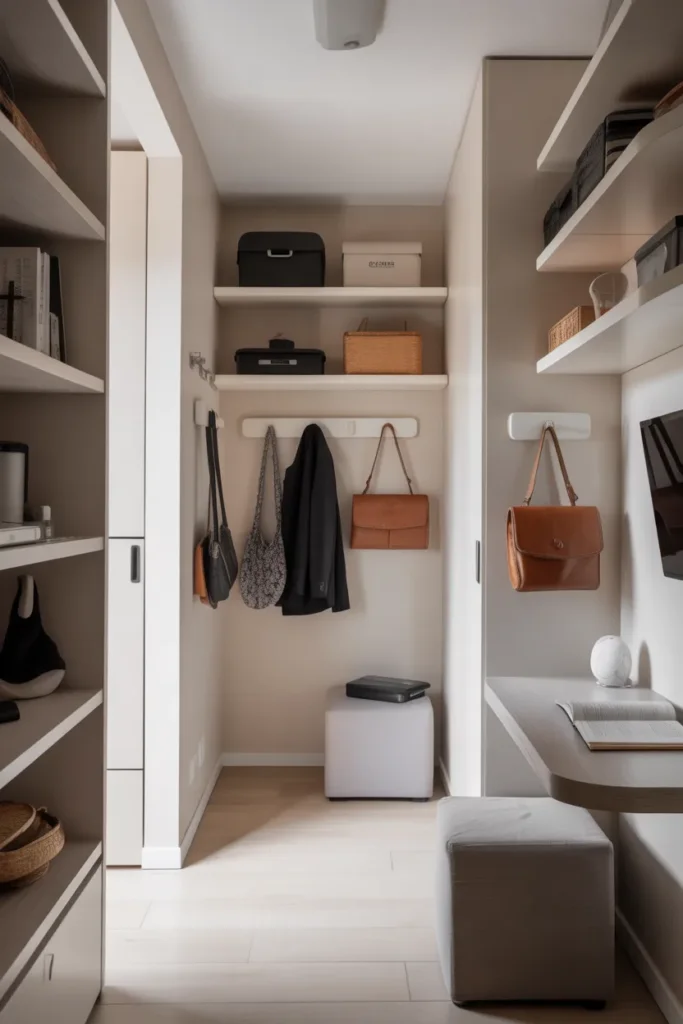
Most beginners forget the walls.
Tall shelves are better than wide cabinets because they use vertical space. Wall hooks help you store bags, coats, and kitchen tools.
Floating shelves above doors or desks give you extra storage without blocking movement.
In kitchens and bathrooms, hanging storage keeps counters clear.
Designers often say small rooms are won by vertical thinking. It keeps the floor open and reduces clutter.
Small apartment decorating ideas always focus on walls first because floor space is limited.
4. Use light colors to open the room
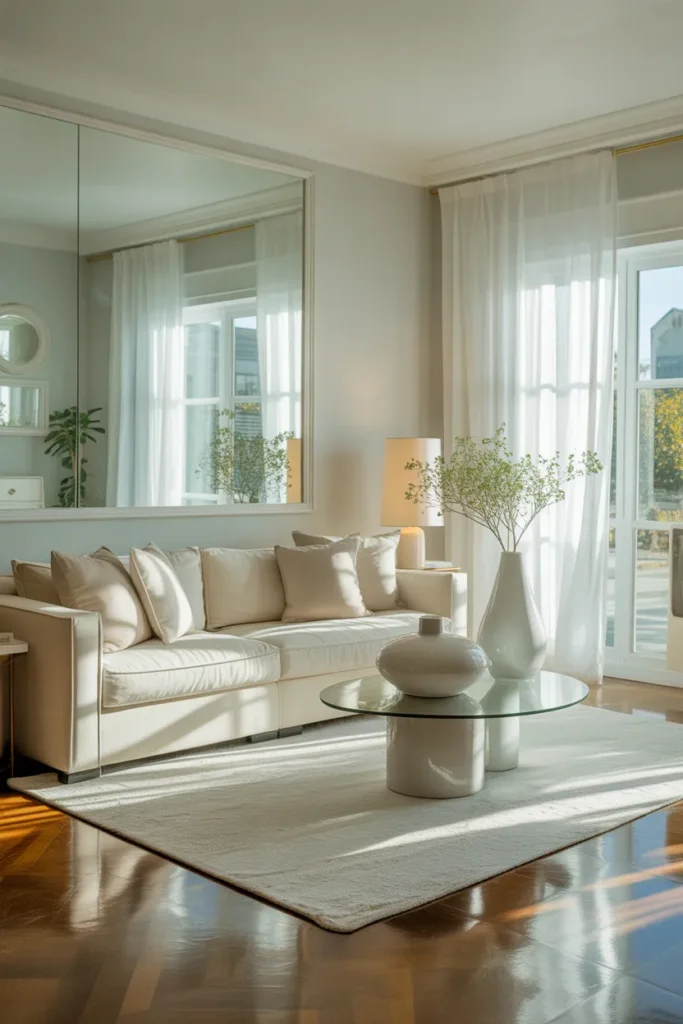
Dark colors can make a small room feel smaller.
Light colors like white, beige, and soft grey reflect more light. This makes the room feel open.
Mirrors also help. They reflect both light and space, which tricks your eyes into seeing more depth.
Glossy surfaces bounce light better than matte ones. But too much shine can feel cold, so balance is important.
Light curtains are better than heavy ones because they let natural light spread through the room.
If you are learning how to decorate small rooms, color choice is one of the fastest changes you can make.
5. Fix lighting to change how the room feels
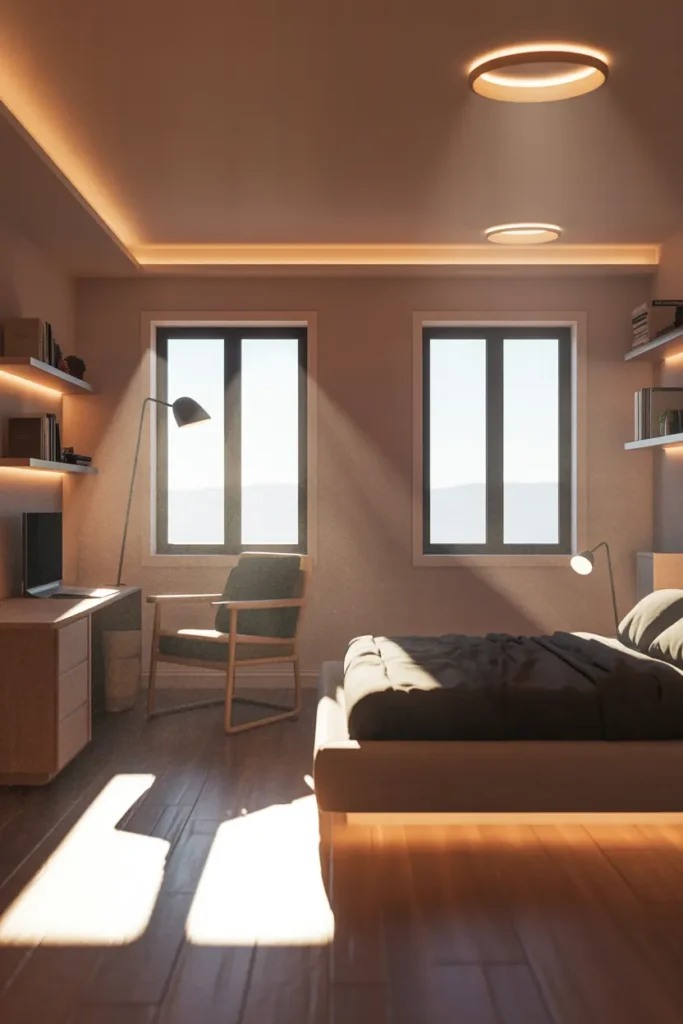
Lighting is often ignored, but it changes everything.
One ceiling light is not enough. You need layers.
Use three types of light. General light for the whole room. Task light for reading or working. Accent light to highlight corners or walls.
LED strips can add depth under shelves or beds. Floor lamps take less space than table lamps and still give strong light.
Natural light should always be used when possible. Keep windows clear from heavy objects.
Good lighting makes a small room feel bigger without changing anything physical.
6. Remove what you do not need
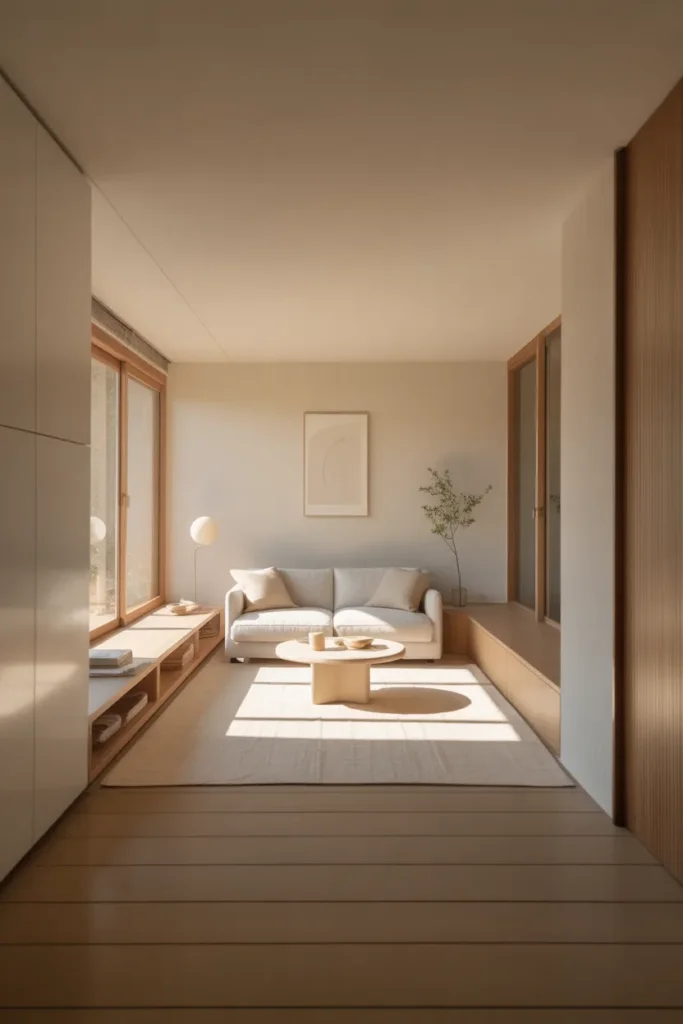
Before decorating, remove extra items.
If you do not use something often, it is taking up space.
Use the one in one out rule. If something new comes in, something old goes out.
Hidden storage helps, but it should not replace decluttering.
Minimal habits matter in small rooms. Too many items create stress and visual noise.
Many Pinterest and home design trends in 2026 still show simple, clean rooms because they feel more open and calm.
Decluttering small spaces is the base of everything else.
7. Use rugs to create separate areas
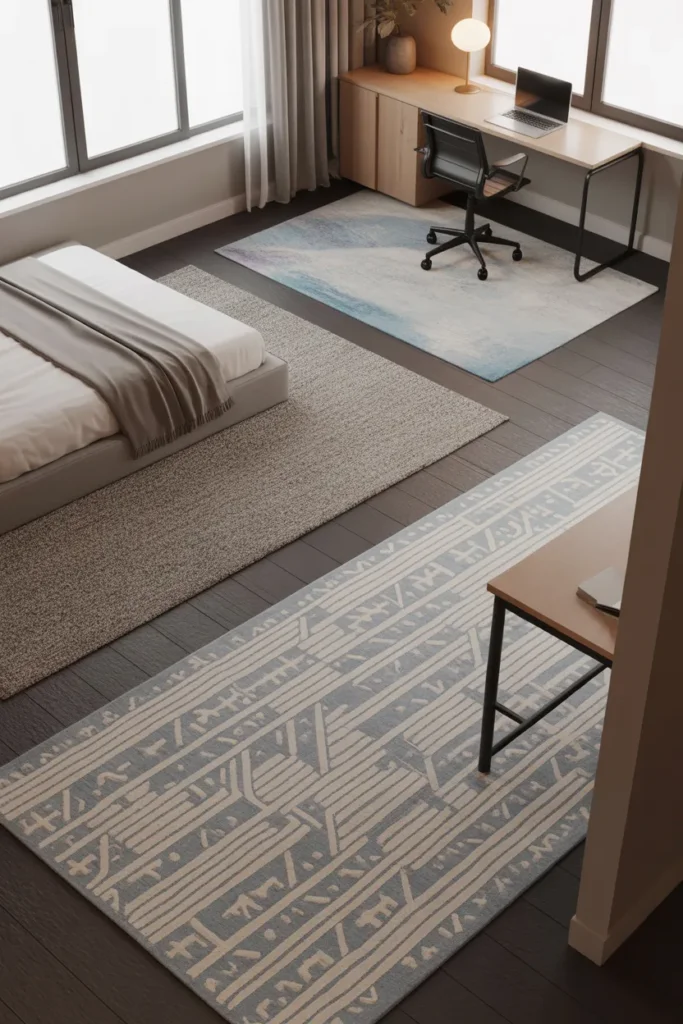
Small rooms often serve multiple purposes. Rugs help divide them.
A rug under a bed shows the sleeping area. A second rug can mark a study or work zone.
This creates structure without building walls.
Make sure the rug is not too small. Small rugs make the room look broken and uneven.
Apartment layout tips often use rugs as invisible room dividers because they are cheap and effective.
8. Decorate walls without overfilling them
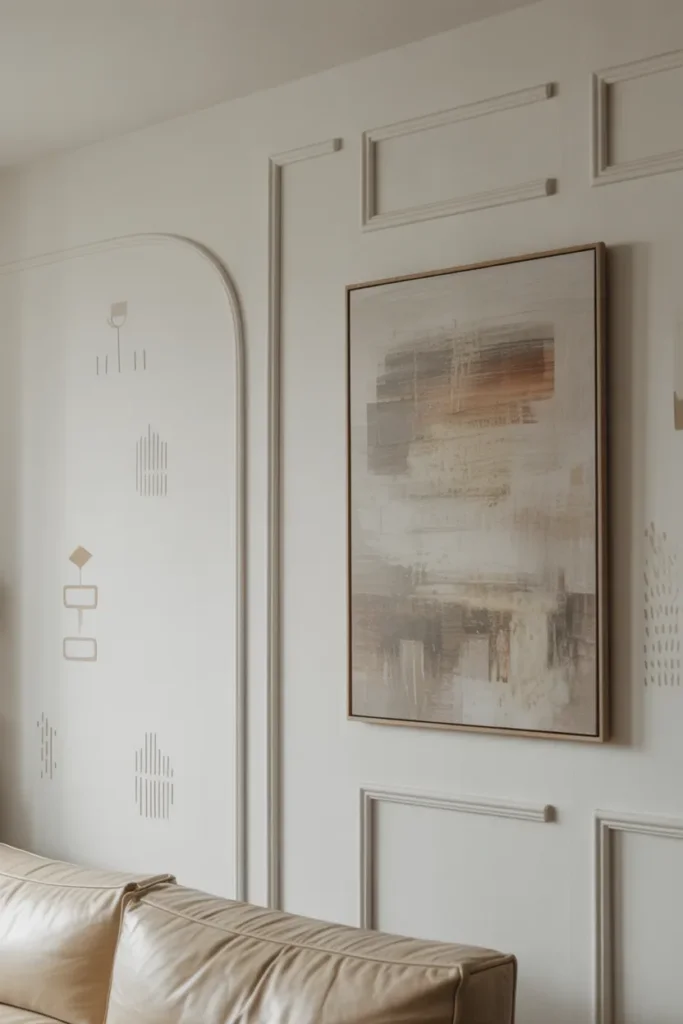
Walls should help the room, not overload it.
One large artwork looks better than many small frames. It creates focus.
Gallery walls can work, but only if spacing is clean and simple.
Wall decals are useful for renters because they do not damage paint.
Avoid filling every empty wall space. Empty space helps the room breathe.
Small apartment wall decor should always feel balanced, not crowded.
9. Hide storage inside everyday items
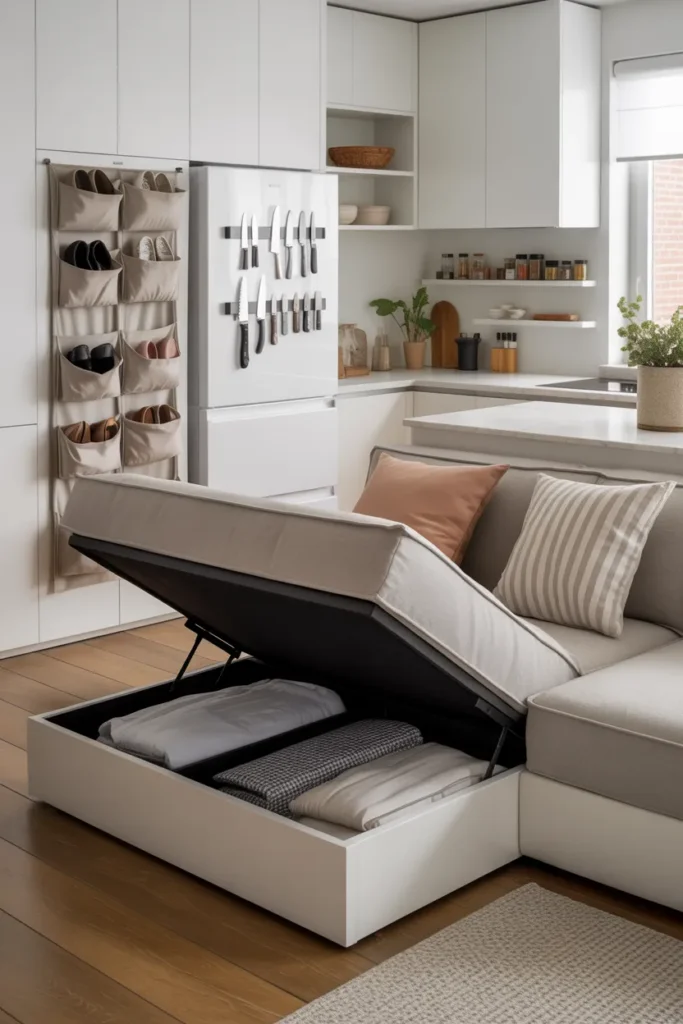
Storage should not always be visible.
Under bed boxes are great for clothes or seasonal items.
Behind door organizers hold shoes or cleaning items.
Sofas with storage inside help hide blankets and small objects.
Magnetic strips in kitchens keep tools off counters.
Hidden storage ideas are important because they reduce clutter without adding more furniture.
10. Make the room look deeper than it is
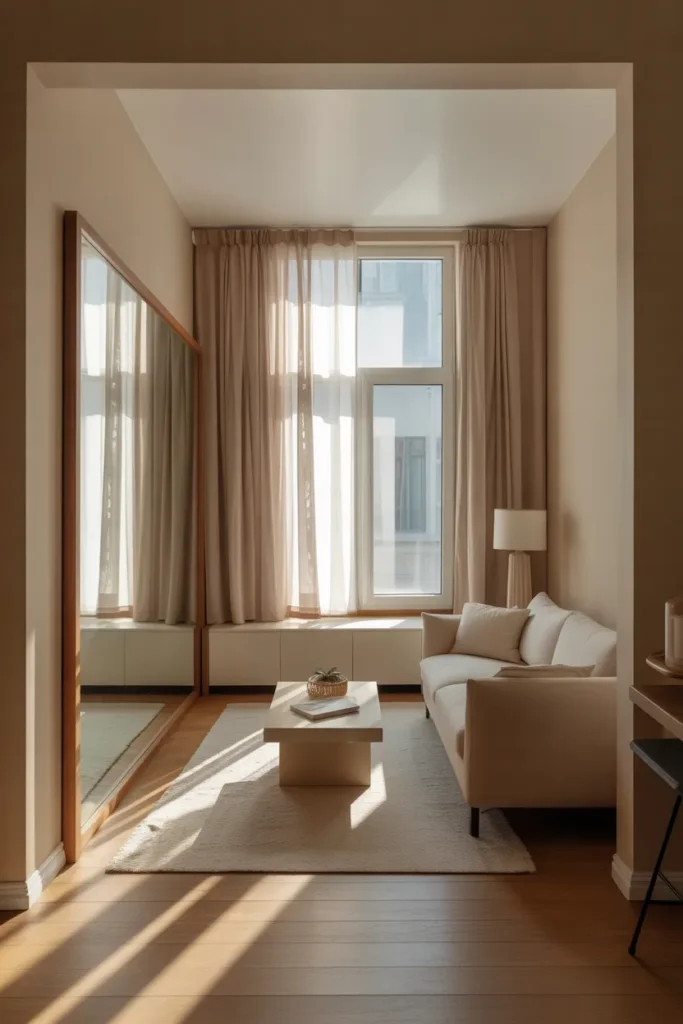
You can change how a room feels without changing size.
Place mirrors opposite windows to reflect light and space.
Keep pathways open so eyes can move freely.
Place furniture slightly diagonal instead of straight lines if space allows.
Layer curtains to add depth without blocking light.
These visual space tricks help make a small room look bigger instantly.
11. Choose seating that fits the room size
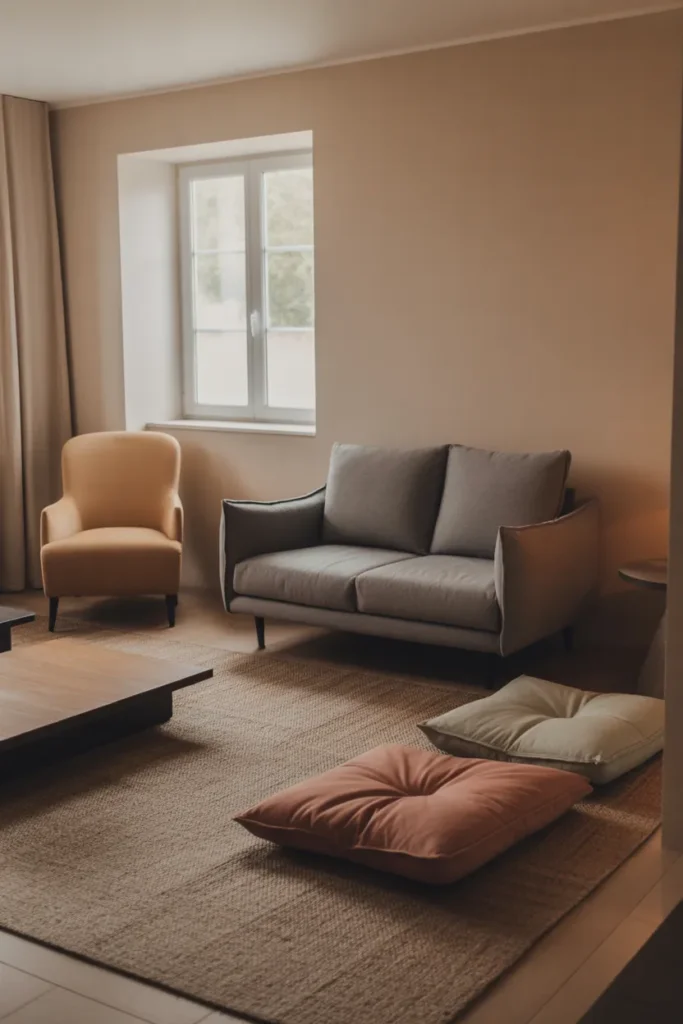
Big sofas can take over a small room quickly.
Choose seating that matches the scale of your space.
A small sofa or two chairs often work better than a large couch.
You can also use floor seating or compact benches if space is tight.
The goal is comfort without blocking movement.
Good seating choice is a key part of space saving interior design because it keeps balance in the room.
12. Use smart storage furniture instead of extra cabinets
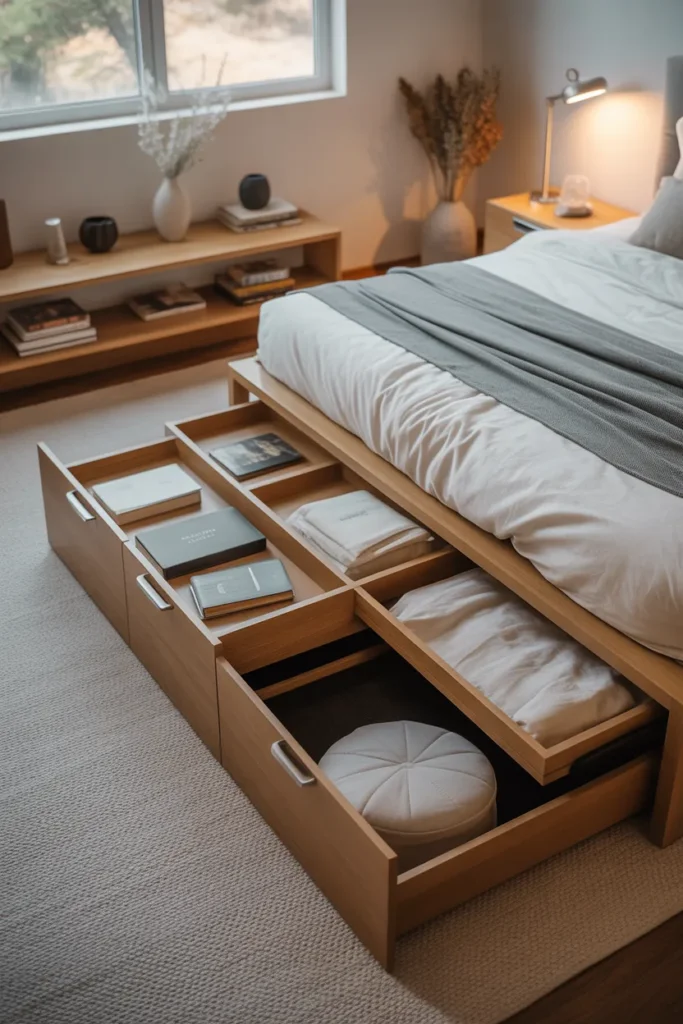
Extra cabinets can make a small room feel crowded.
Instead, use furniture that already includes storage.
Beds with drawers, coffee tables with shelves, and ottomans with space inside are all good options.
This reduces the number of separate storage units in the room.
Less furniture means more open space and better flow.
This is one of the easiest ways to improve small room ideas without redesigning everything.
13. Use windows to bring in more light
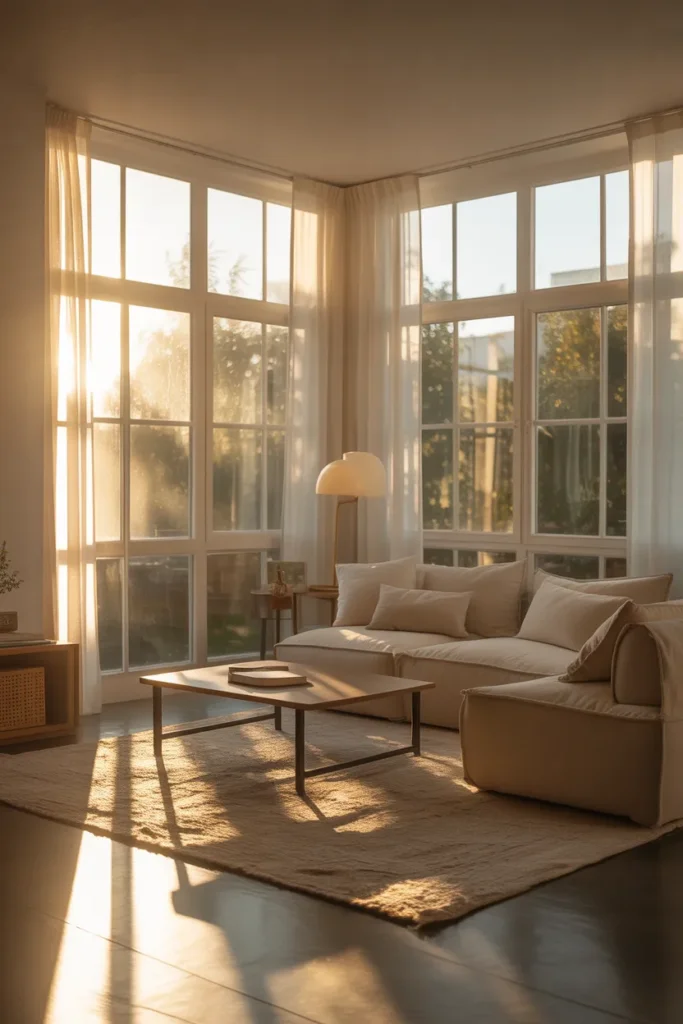
Windows are one of the strongest tools in a small room.
Do not block them with heavy curtains or tall furniture.
Keep window areas clear so natural light can spread through the room.
Light curtains work better because they allow brightness while still giving privacy.
Good natural light makes the room feel more open and fresh throughout the day.
This simple change improves how to decorate small rooms without spending money.
14. Add texture without adding clutter
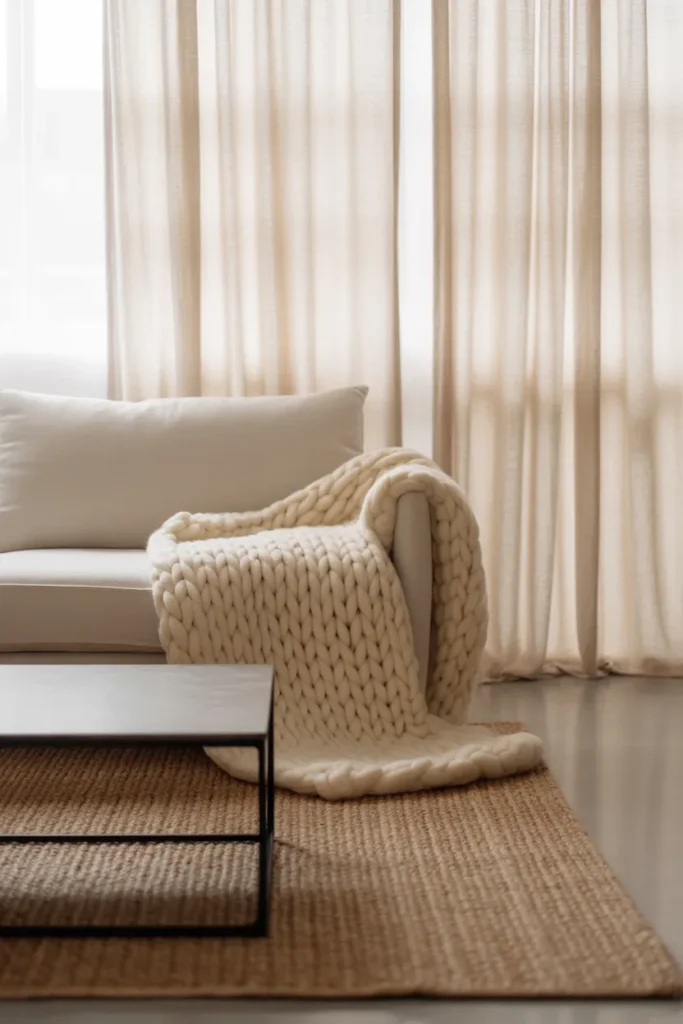
A room does not need many items to feel complete.
You can use texture instead of extra objects.
Soft blankets, simple rugs, and light curtains add depth without making the room messy.
Different textures make the space feel warm and comfortable.
Keep it simple so the room still feels open and not overloaded.
This balance is important for small space decorating for beginners because it keeps things calm and clean.
15. Avoid common beginner decorating mistakes
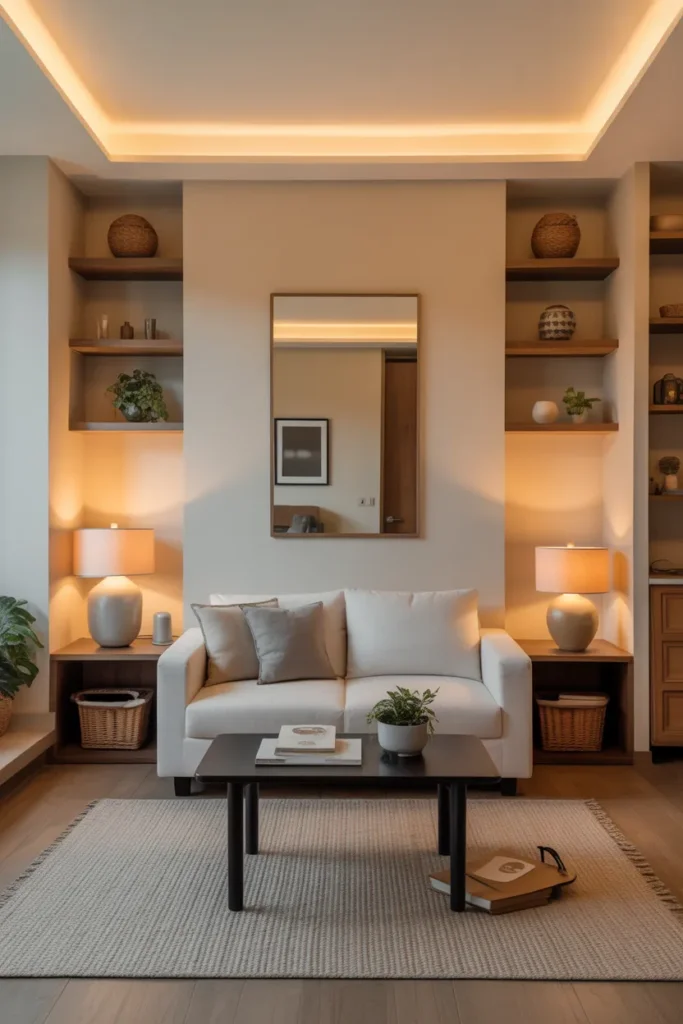
Many people make the same mistakes in small rooms.
They buy furniture that is too large. They add too many decorations. They ignore lighting and space flow.
These mistakes make the room feel smaller than it is.
Focus on fewer items that actually help your daily life.
Every item in your room should have a clear purpose.
When you avoid clutter decisions, your space naturally becomes easier to manage.
16. Add simple personal touches last
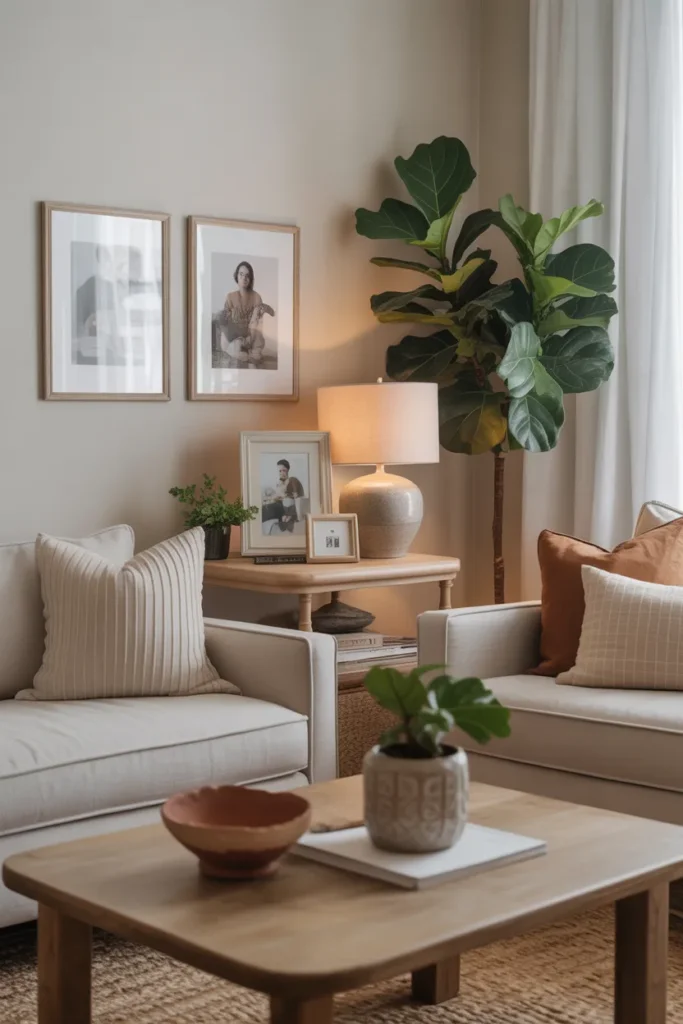
After everything is set, you can add personality.
Use small items that matter to you like photos, plants, or simple decor pieces.
Do not overload the space at this stage.
A few personal items are enough to make the room feel like yours.
This final step brings everything together and completes your design without breaking the balance.
Conclusion
Small rooms are not hard to fix when you focus on the basics.
You learned how to plan your layout, use furniture that saves space, and make walls and lighting work for you. You also saw how decluttering and smart storage change how a room feels.
Start with one room. Pick two or three ideas and apply them first.
Small space decorating for beginners is not about buying more. It is about using what you have in a smarter way.